
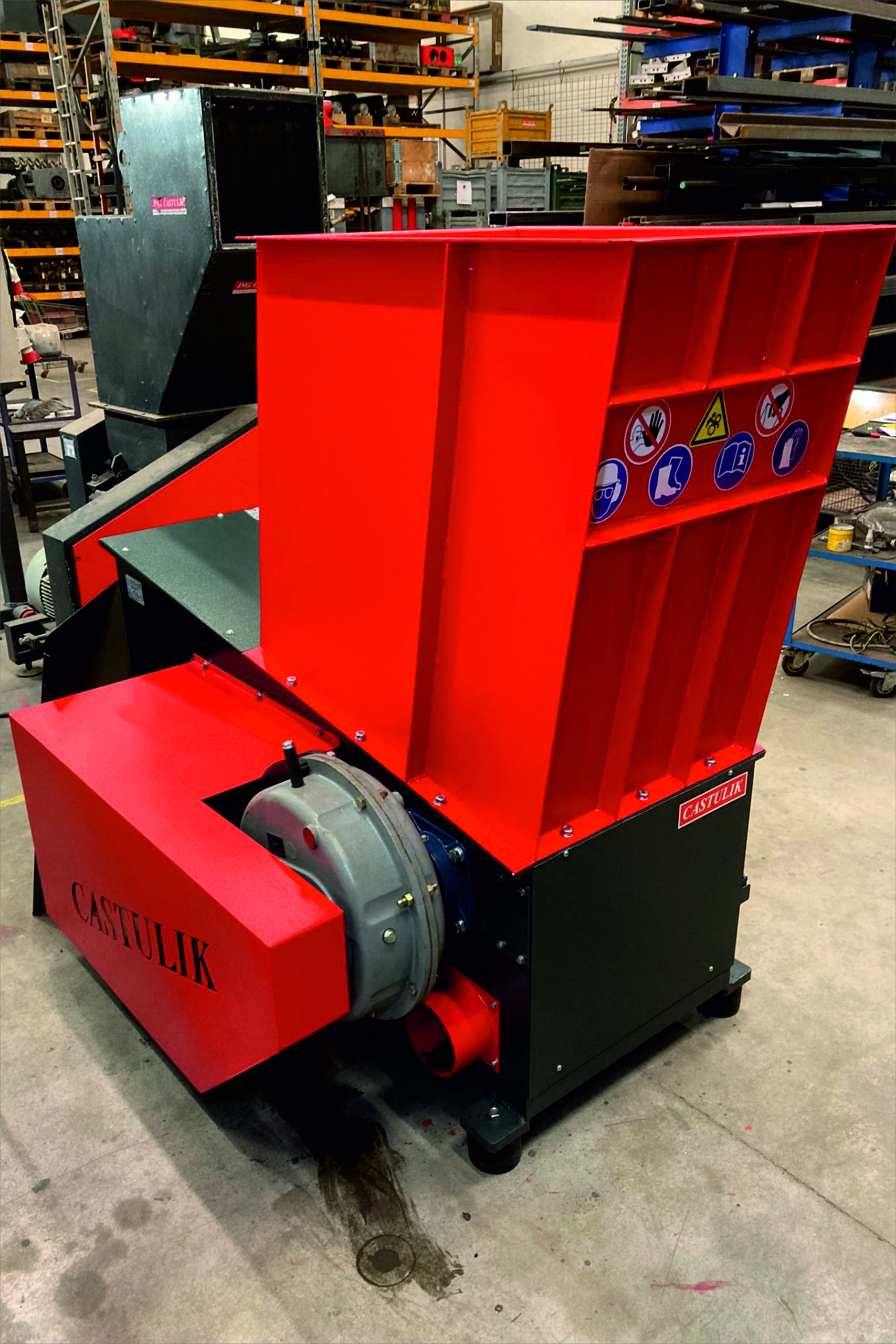

The wood‑shredder market is traditionally associated with slow‑speed single‑shaft shredders. However, in many applications, a high‑speed knife mill delivers better shred quality, more consistent particle size, and improved energy efficiency. This article summarises the technical specifics of wood processing in knife mills, compares their advantages and limitations with conventional single-shaft wood shredders, and offers expert guidance for selecting the optimal technology.
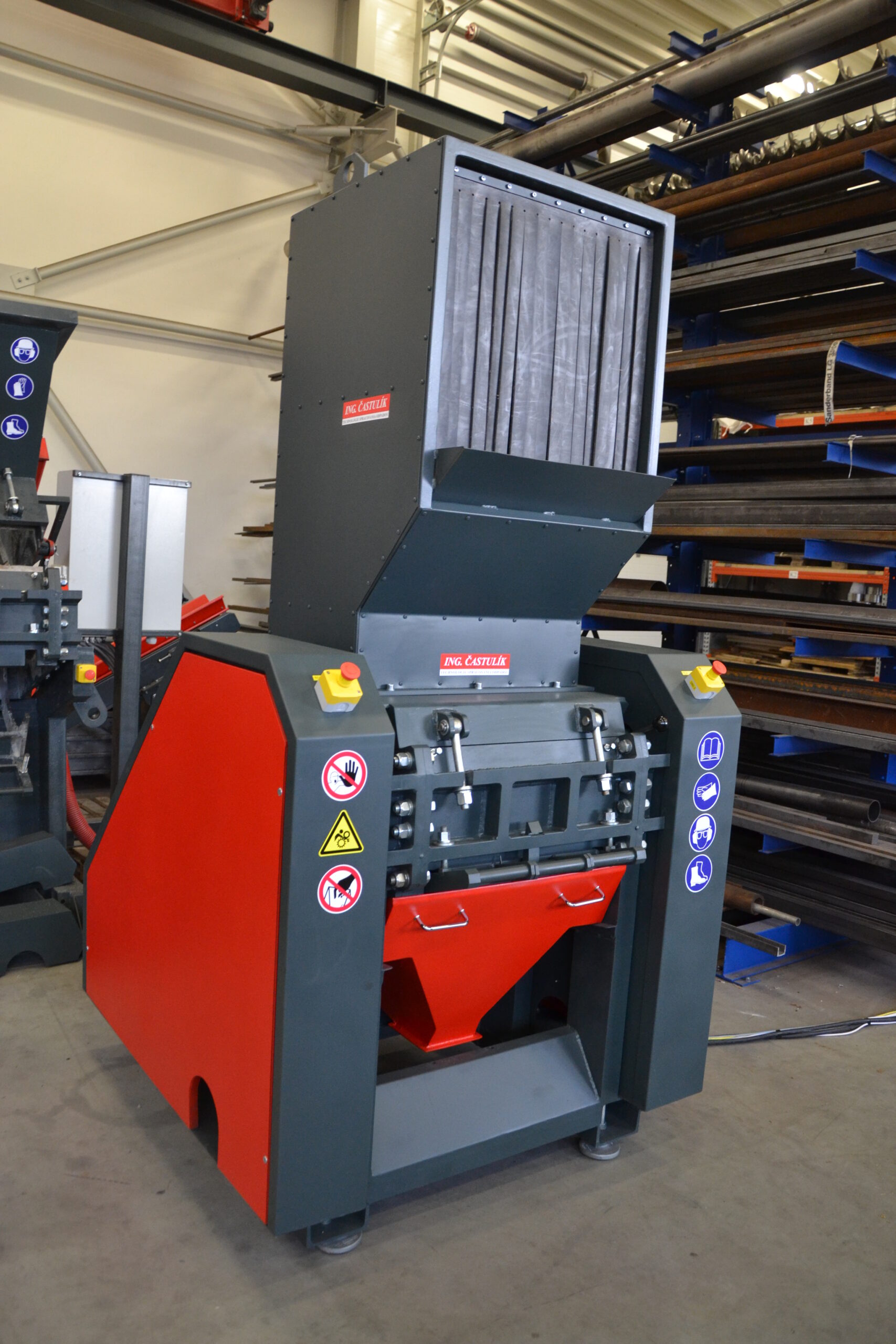
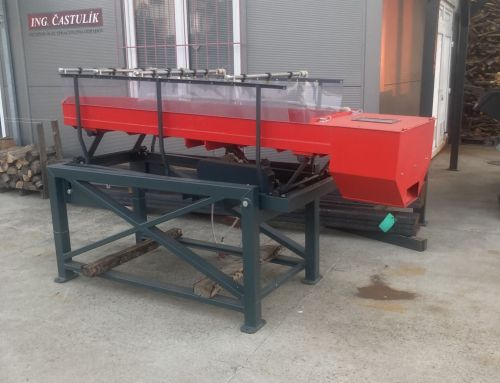
Knife mill SG400
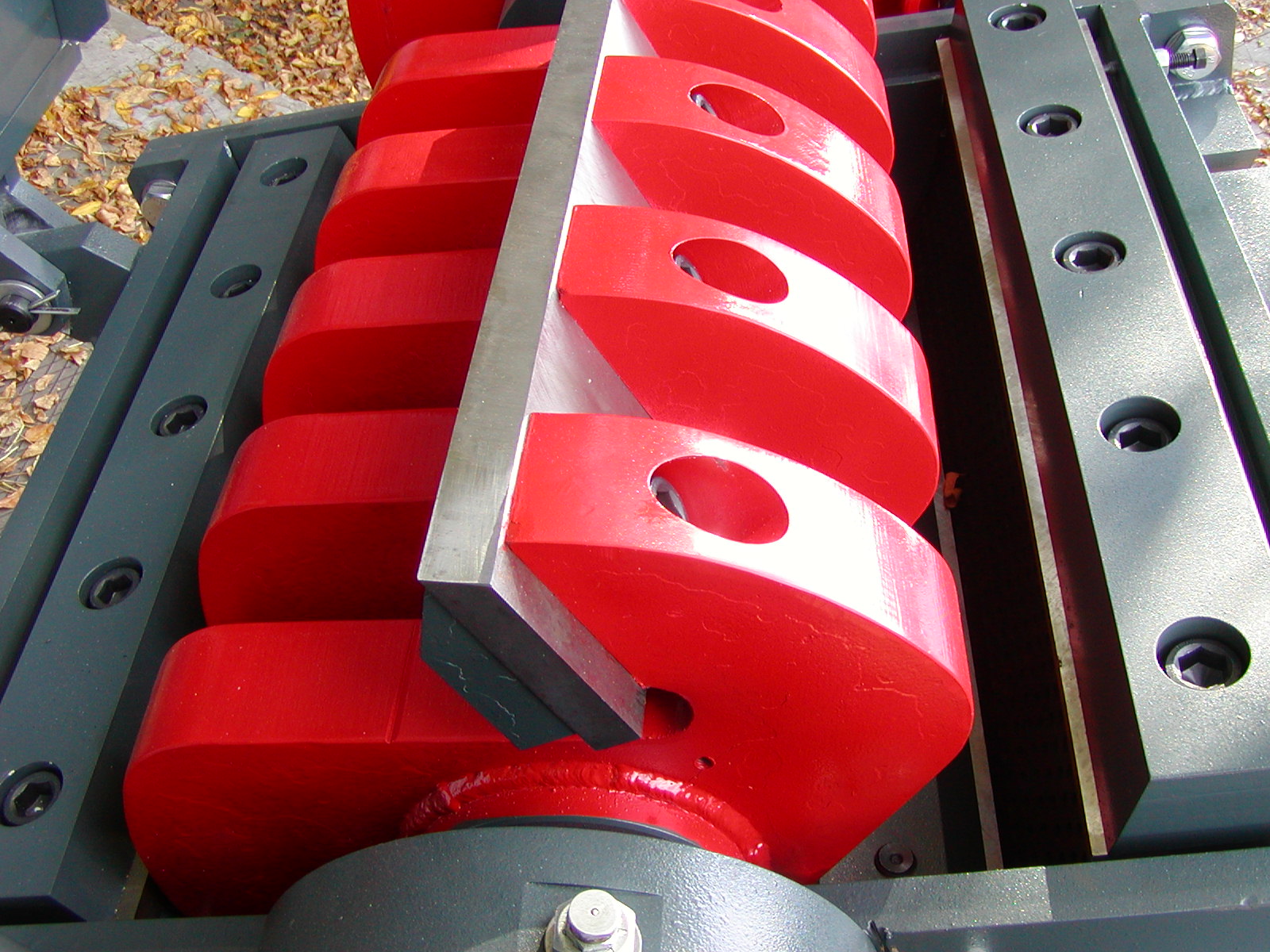
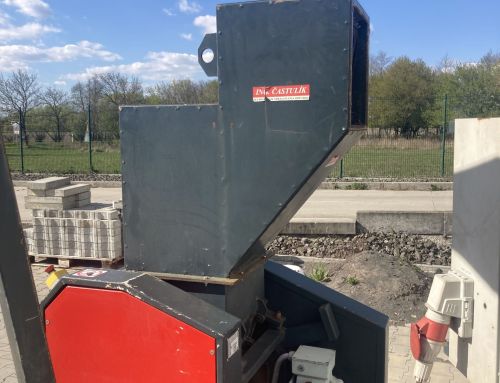
Shredding chamber of a knife mill.
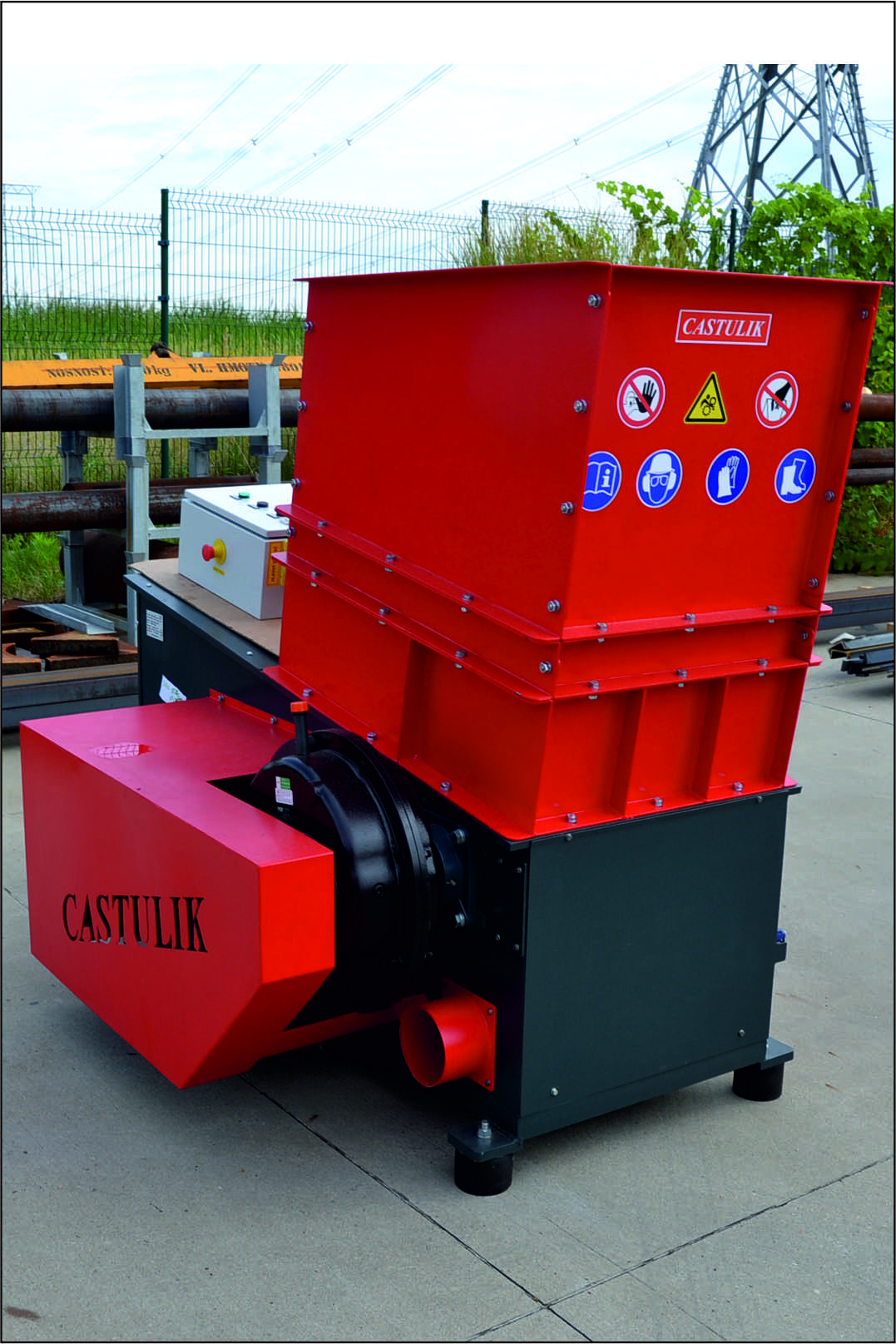
Single-shaft shredder PICUS
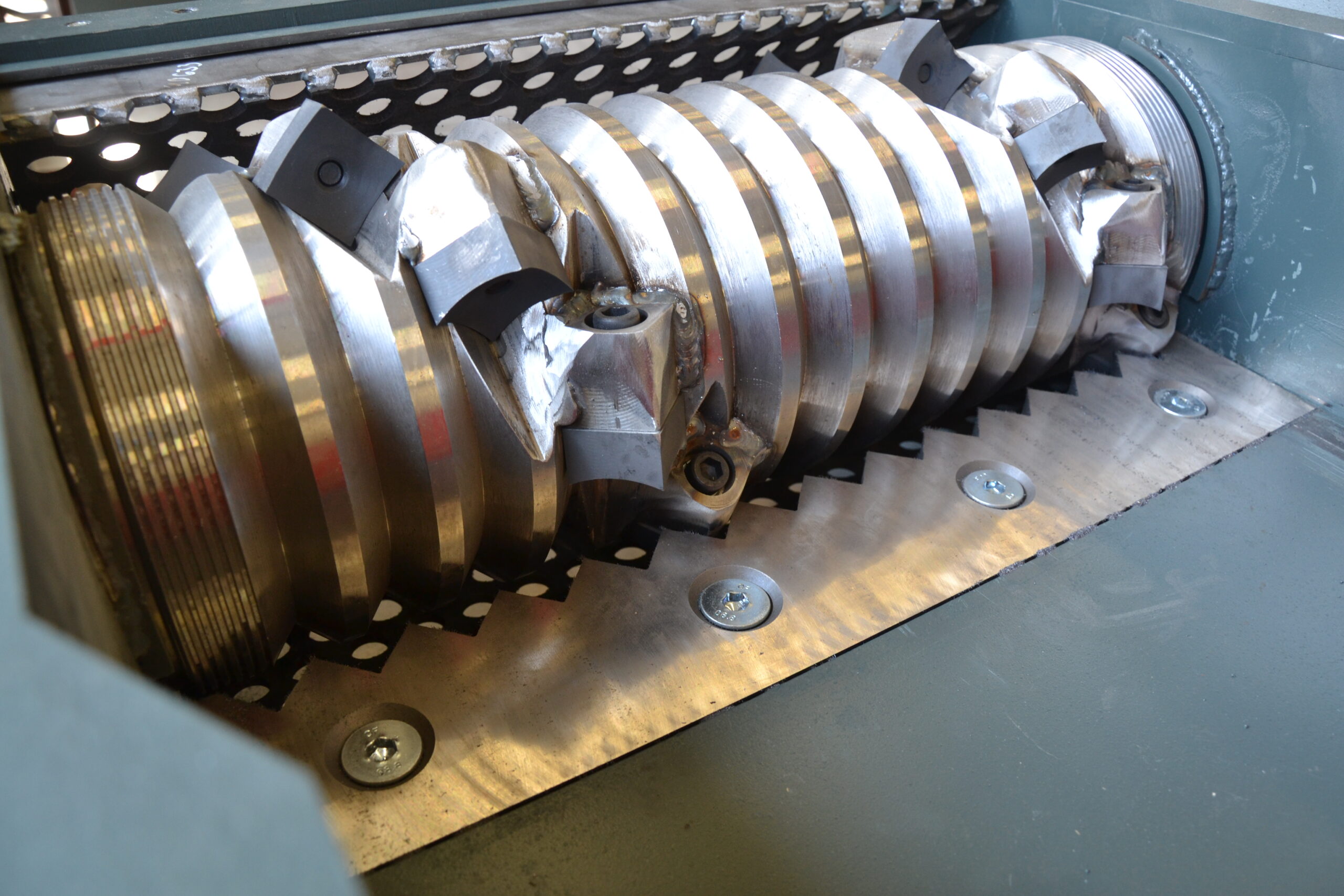
Shredding chamber of a single-shaft shredder.
How does a knife mill work when shredding wood?
A knife mill is often perceived as a plastics‑processing machine, yet its fundamental design makes it equally well‑suited for efficient wood shredding.
From a construction standpoint, knife mills resemble wood chippers with horizontal material feeding, typically using a vibrating chute and feed rollers – technology that has been in use for decades. The key difference is that in knife mills, the material is fed vertically from above into the shredding chamber, usually by free fall.
The cutting tools consist of flat knives mounted on the rotor carriers and on the stator of the shredding chamber. The knives are positioned at an inclined angle relative to each other, creating a scissor‑like cutting effect. This significantly improves cutting efficiency, reduces energy consumption, and lowers the machine’s noise level.
The output from the mill is shred whose particle size is determined by the holes in the interchangeable screen located beneath the shredding chamber (available in sizes from 4 to 20 mm, with 8 mm as the standard).
The hopper housing is often sound‑insulated (a sandwich wall of sheet metal, mineral wool, and sheet metal) to reduce the noise generated by the milling process in the surrounding area, although this is not a mandatory equipment feature.
Material can be fed into the hopper manually or via a belt conveyor.
The flywheel mounted on the mill rotor acts as a mechanical energy accumulator, increasing the overall efficiency of the machine.
Shredded material discharged from the mill can be transported by a transport fan, a belt conveyor, or a screw conveyor, feeding the shredded material into a bag, big bag, container, or silo.
Key parameters that distinguish a knife mill from conventional single‑shaft wood shredders:
– shear gap of approx. 0.2 mm – precise cutting instead of tearing,
– high rotor speed (approx. 700 rpm) – rapid disintegration of wood,
– knives positioned close to the screen – effective cleaning of screen holes, even with small fractions,
– interchangeable screens from 0.5 to 20 mm – capability for extremely fine shred,
– sandwich‑type acoustic enclosure – reduced noise propagation within the facility.
Thanks to these characteristics, knife mills are becoming a viable alternative for wood‑shredding applications. Their specific advantages are most evident when producing fine fractions, processing fibrous materials such as bark, or handling thin sheet materials like wood veneer.
Technical considerations for selecting a knife mill for a specific application
When selecting a knife mill suitable for a specific application, the following factors must be considered:
- Mechanical properties of the material
– especially shear strength, modulus of elasticity, shear modulus, and elasticity. - Shape and dimensions of the items being shredded
- Required output particle size
- Method and intensity of feeding material into the knife mill
- Expected throughput
Mechanical properties of the material
The mechanical properties of the processed material determine the force the knife mill must apply to achieve disintegration. The greater the required force, the more robust the machine must be, and the higher its electrical power demand will be regardless of the expected hourly throughput.
Shape and dimensions of the items being shredded
The load on the knife mill is also influenced by the dimensions of the items being processed. A different force is required to shred wooden beams with a cross‑section of 2×2 cm compared to beams of 10×10 cm.
Likewise, the impact on the hopper walls differs significantly between a 200 g piece of wood flung by the rotor and a 2 kg piece.
For our knife mills, for example, the following applies:
– MN300/400 knife mill – power input up to 22 kW – suitable for wood pieces with a cross-section up to 30 cm²,
– SG400/600 knife mill – power input up to 55 kW – suitable for wood pieces with a cross-section up to 60 cm².
Method and intensity of feeding material into the knife mill
The method and intensity of feeding material into the mill directly influence the required machine size. The higher the instantaneous shredding performance (i.e., more aggressive feeding), the more robust the machine must be and the higher its electrical power demand.
Required output particle size
The required particle size determines the screen‑opening size in the knife mill. It is important to keep in mind that the smaller the particle size, the smaller the screen openings.
With soft, non‑dried wood, the elasticity of the material must also be considered. Elastic wood shred is pressed into the screen openings, where it expands and clogs the screen. The result is reduced shredding performance and a finer output fraction.
This issue is addressed by selecting significantly larger screen openings than the desired final fraction and larger than would be used for dry wood.
When looking at wood shred, the orthotropy of wood becomes very apparent. The chips take the form of needles and splinters, because wood is much easier to shred along the fibre than across the fibre.
Single-shaft shredders for processing wood waste
Single-shaft shredders with a cycling pusher mechanism have, over time, become something of a standard for processing wood offcuts in the woodworking industry. They offer a number of undeniable advantages. They operate in a simple rhythm: dump the bin and walk away. The knives and other components of the shredding chamber are resistant to nails, metal staples and straps, thin sheet metal, and similar contaminants. They also run with relatively low noise.
However, there are limitations. The rotor knives run at a relatively large distance from the screen surface, which means they clean the screen only lightly and struggle to remove material lodged in the openings. As a result, screens with apertures smaller than 12 mm cannot be used.
And something many users do not realise is that the shear gap between the rotor and stator knives in single‑shaft shredders is typically around 1 mm. The result is an imperfect cut. This leads to higher energy consumption and more dust in the output compared to shredders with a precise cutting action.
This characteristic becomes especially noticeable with soft, non‑dried wood, where the shredded granulates show signs of tearing rather than cutting – the granulates appear “hairy” due to torn fibres. Such material has high internal friction, slides poorly along surfaces of the discharge section, and tends to form strong arches in boiler hoppers.
Additionally, these shredders, operating at relatively low rotor speeds, struggle with the elasticity of non‑dried wood. The wood resists the action of the rotor knives through elastic deformation, which reduces the shredder’s throughput.
A separate challenge for single‑shaft shredders is the processing of long pieces and wide boards. If the length of a beam exceeds the height of the shredder’s hopper by more than twice, it will tip over the hopper edge and fall out of the machine. If a board is wider than 50% of the rotor length, the rotor knives mill grooves into it, but the board cannot shift along the shaft and it ends up “sitting” on the rotor, and the shredding performance drops to zero.
Characteristics of knife mills and their performance in wood shredding
Knife mills belong to the group of shredders that deliver a very precise cutting action. The shear gap between the stator and rotor knives is set to around 0.2 mm. For this reason, compared to single‑shaft shredders, they handle the shredding of veneer (a thin wooden “foil”) and bark (they easily cut through the fibres in the bark) exceptionally well.
When processing standard wood offcuts, the material is cut at high rotor speeds (around 700 rpm). The rotor knives operate only a few millimetres from the calibration screen. This results in effective cleaning of the screen openings, the ability to use screens with extremely small apertures (sometimes as small as 0.5 mm), a low proportion of dust in the output, relatively smooth chip surfaces, reduced energy consumption, and high shredding performance.
Both rotor and stator knives have a cutting‑edge angle significantly below 90°. For this reason, these machines are not suitable for materials that may contain steel contaminants or minerals. Such impurities cause rapid wear of the knife edges, making operation economically inefficient. The same applies to materials with mineral inclusions.
Among the disadvantages of knife mills are the high noise levels during operation and the need to feed material gradually, within the limits of the machine’s maximum throughput.
How to choose between a knife mill and a single-shaft shredder.
Both high‑speed knife mills and slow‑speed single‑shaft shredders have their own advantages and disadvantages. Choosing between them is not always straightforward. The key is to understand their characteristics as thoroughly as possible so you can make an informed, independent decision.
This helps ensure that “salespeople with guaranteed solutions…” do not persuade you to buy what is most convenient for them rather than what is best for you.
That is why we always tell our customers: bring your material and visit us. You can test the shredders that are potentially suitable for your application directly in our facility.
And fortunately for us – and for our customers – we manufacture both knife mills and single‑shaft shredders. Many of our clients in the woodworking industry use one or the other, and some use both.