
Paper and cardboard shredders

Printed materials being shredded
What types of paper and cardboard can be shredded?
CASTULIK industrial shredders can process various types of paper and cardboard waste. The appropriate solution depends primarily on the dimensions and form of the input material, required throughput, output particle size and how the material will be fed into the shredder.
Cardboard boxes and packaging
Whole or flattened cardboard boxes, packaging cardboard and corrugated cardboard from manufacturing facilities, warehouses, distribution centres and retail operations.
Paper and cardboard offcuts
Offcuts, die-cut waste and rejected products generated during the manufacture and processing of paper, cardboard and packaging materials.
Paper and cardboard cores and tubes
Rigid, thick-walled paper and cardboard cores, rolls and tubes used, for example, in the paper, textile and packaging industries.
Paper and printed materials
Loose paper, magazines, catalogues, books, printed materials and other paper waste from printing operations.
Compacted and bulky paper waste
Large pieces and clumps of paper or cardboard waste that need to be reduced to smaller pieces before further processing.
Composite materials containing paper
Some paper and cardboard products contain films, adhesives, metal components or other materials. In such cases, we design the shredding solution according to the specific composition of the waste.
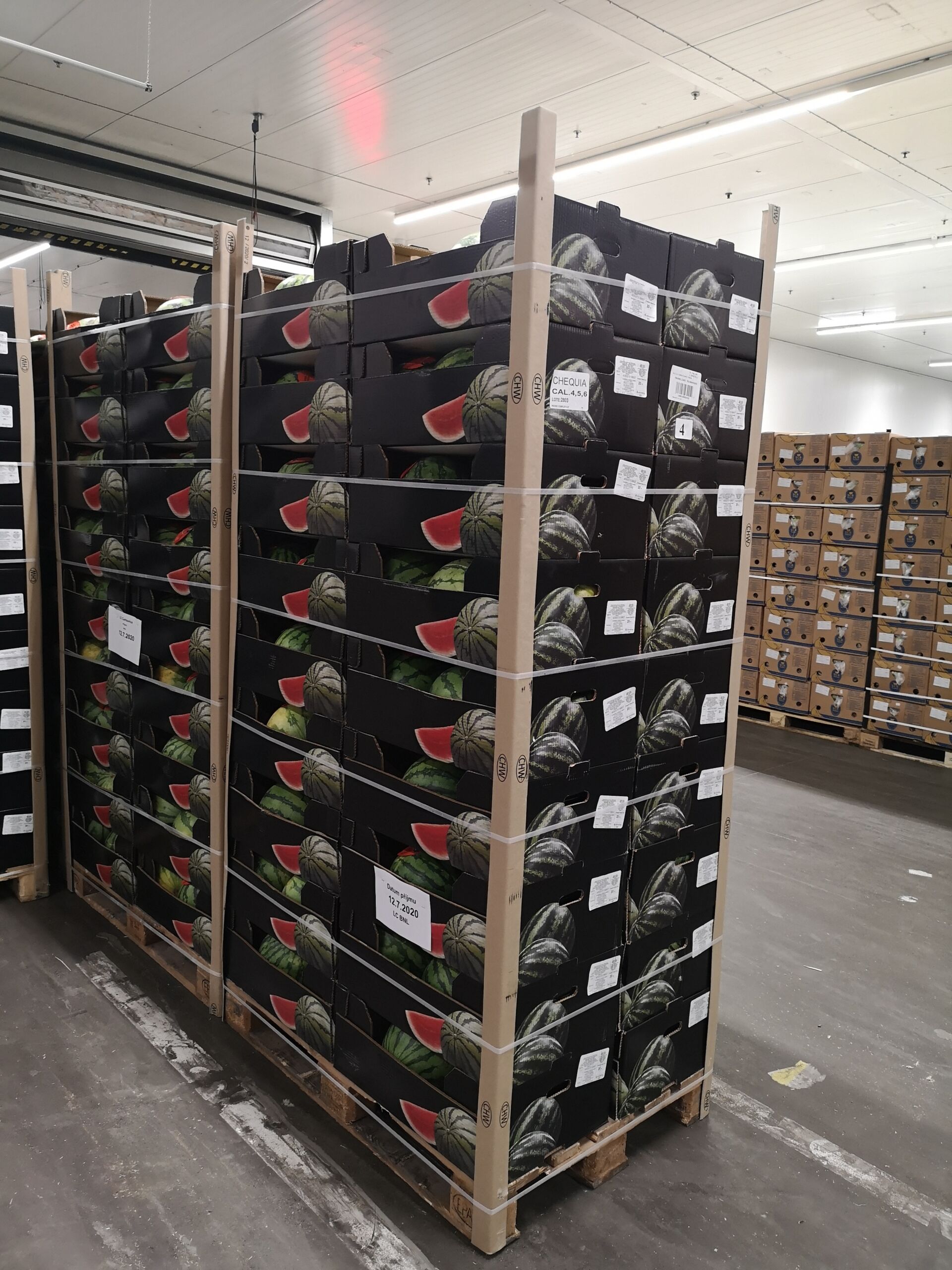
Cardboard crates
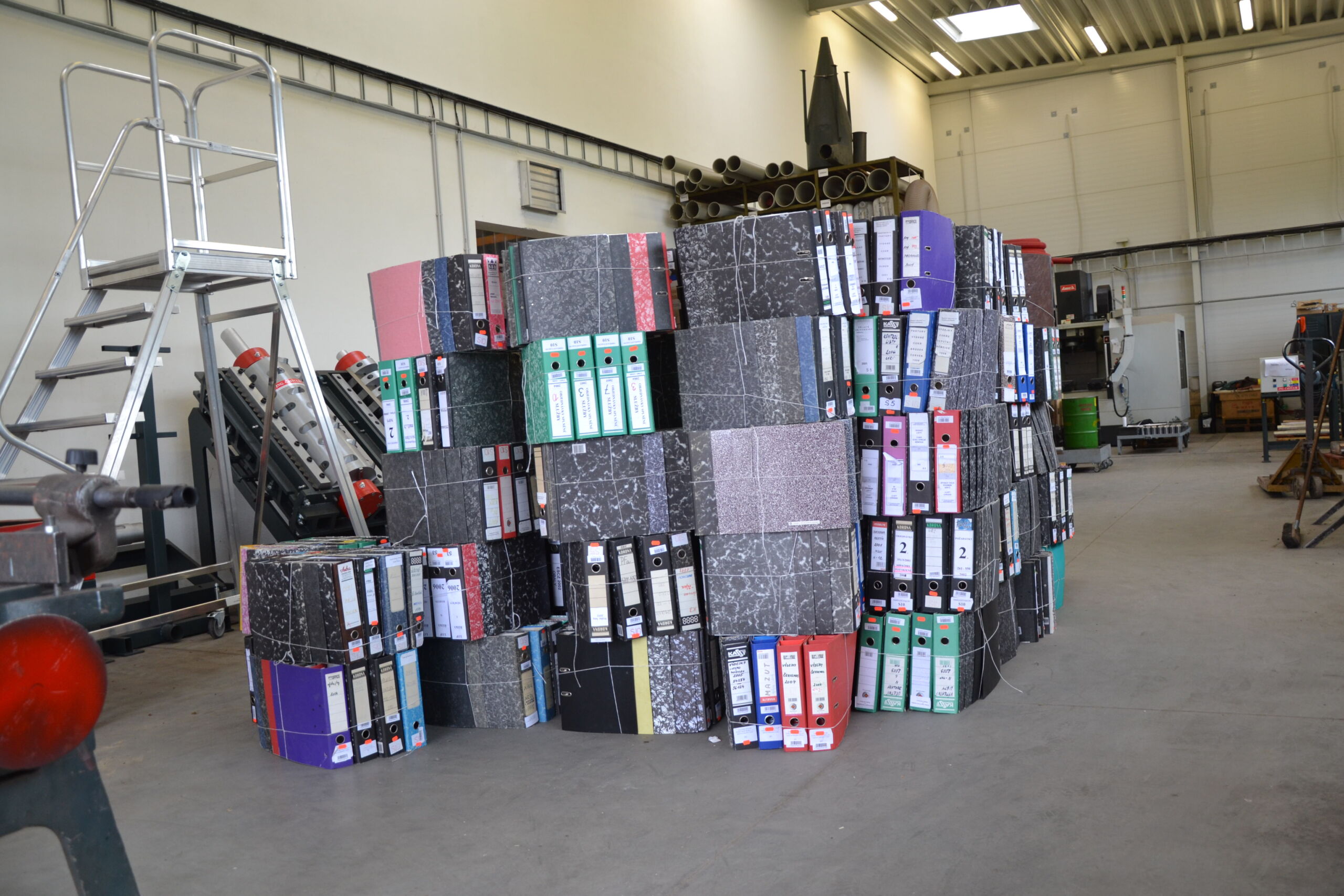
Ring binders
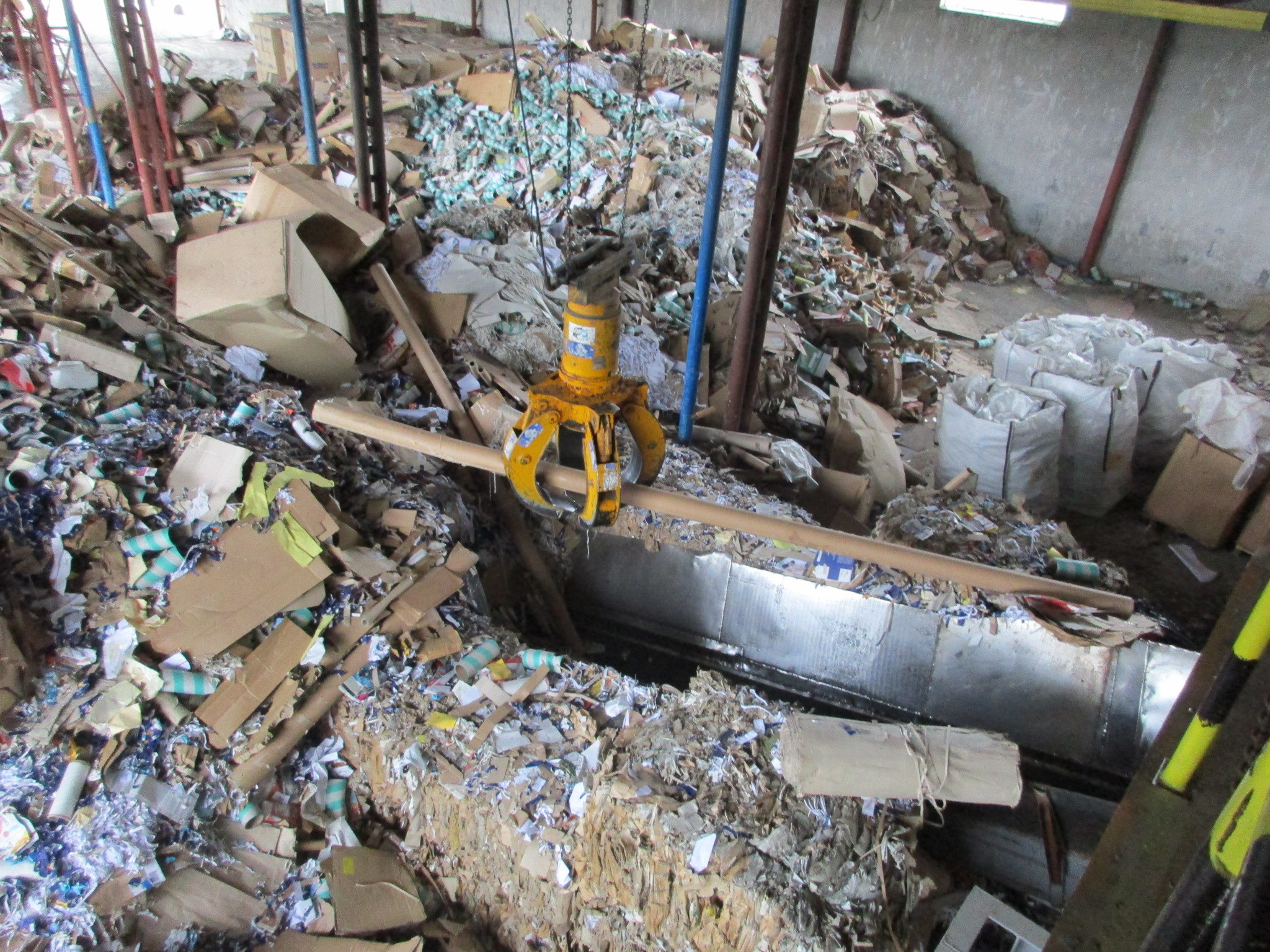
Recovered paper before pulping

Paper from a roll
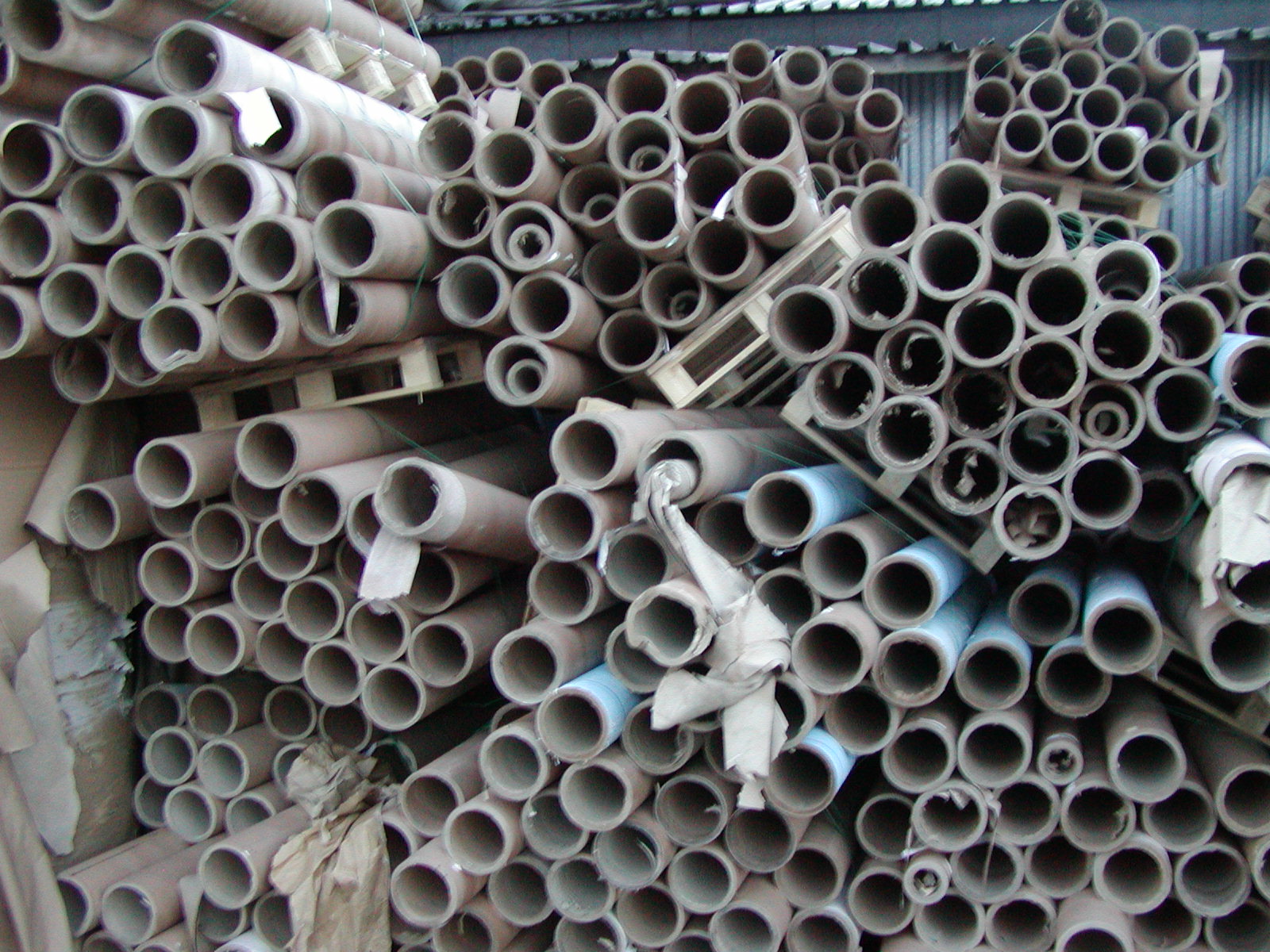
Paper cores
Why shred paper and cardboard?
Shredding paper and cardboard reduces waste volume and transforms the material into a form that is easier to handle, store, transport and process further. In industrial facilities, a shredder can also form part of an automated waste processing system. In many industrial applications, shredding is an essential processing stage that prepares paper waste for baling, pulping, briquetting, pelletising or further processing.
Preparing cardboard boxes and paper cores for baling
Loose paper cores and large cardboard boxes can be difficult to process in balers without prior size reduction. Coarse shredding produces material that mixes more easily with other waste paper, allowing it to be baled together.
Preparing waste for pulping and recycling
When processing paper mill waste, shredding can also be used to prepare the material for reuse in papermaking machinery.
Reducing the size of paper mill waste pieces to approximately 50-100 mm can improve the subsequent pulping process and make it easier to reintroduce the material into paper production.
Reducing the volume of paper and cardboard waste
Cardboard packaging, boxes, paper offcuts and other paper waste from manufacturing can take up a considerable amount of space despite their relatively low weight. This means more storage space, larger or additional containers, more handling and more frequent waste collections.
Shredding alone can reduce the volume of certain types of waste. Even greater volume reduction can be achieved by combining shredding with subsequent baling or briquetting.
Preparing paper for briquetting
Paper waste can be compressed into compact briquettes, but it must first be reduced to a suitable size and form.
A relatively small twin-shaft shredder can be used for this purpose. With the appropriate shredding chamber configuration, it can produce shredded paper and cardboard suitable for briquetting.
Briquetting can significantly reduce waste volume, simplify storage and reduce the number of collections required.
Secure destruction of paper packaging containing sensitive information
One specific application is the secure destruction of paper and cardboard products containing commercial, manufacturing or other sensitive information.
CASTULIK has experience shredding rejected pharmaceutical cartons that needed to be destroyed during the packaging process to prevent their reuse. Another example is the destruction of printed cardboard boxes whose misuse could cause financial or reputational damage to their owner.
The shredded material could then be briquetted, significantly reducing the volume of waste stored in containers and the frequency of waste collections.
Production of fuel briquettes and pellets
Under certain conditions, suitably processed paper and cardboard waste can also be used to produce solid fuel.
Shredding prepares the material for subsequent compression into paper briquettes or pellets. CASTULIK also has experience with applications where shredded paper and cardboard waste was briquetted or pelletised, with the resulting briquettes or pellets used as solid fuel.
However, the suitability of the material for energy recovery always depends on the composition of the waste and the applicable requirements for its use as fuel.
Secure destruction of documents
Industrial shredders are also used for the secure and irreversible destruction of documents, valuable documents and other paper materials.
These may include company documents, archived records, price lists, forms, vouchers, and other documents of value. Shredding destroys the material to prevent its further use or misuse.
CASTULIK shredders are also used in practice to destroy vouchers and other valuable documents. Depending on the required level of destruction, an appropriate output particle size or multi-stage shredding process can be selected.
Waste processing automation
A shredder can operate as a standalone machine or form part of a complete processing line. Depending on the required result, shredding can be followed by material conveying, separation, a baling press, briquetting press or pelletising equipment.
This arrangement allows paper and cardboard waste to be processed continuously and directly where it is generated.
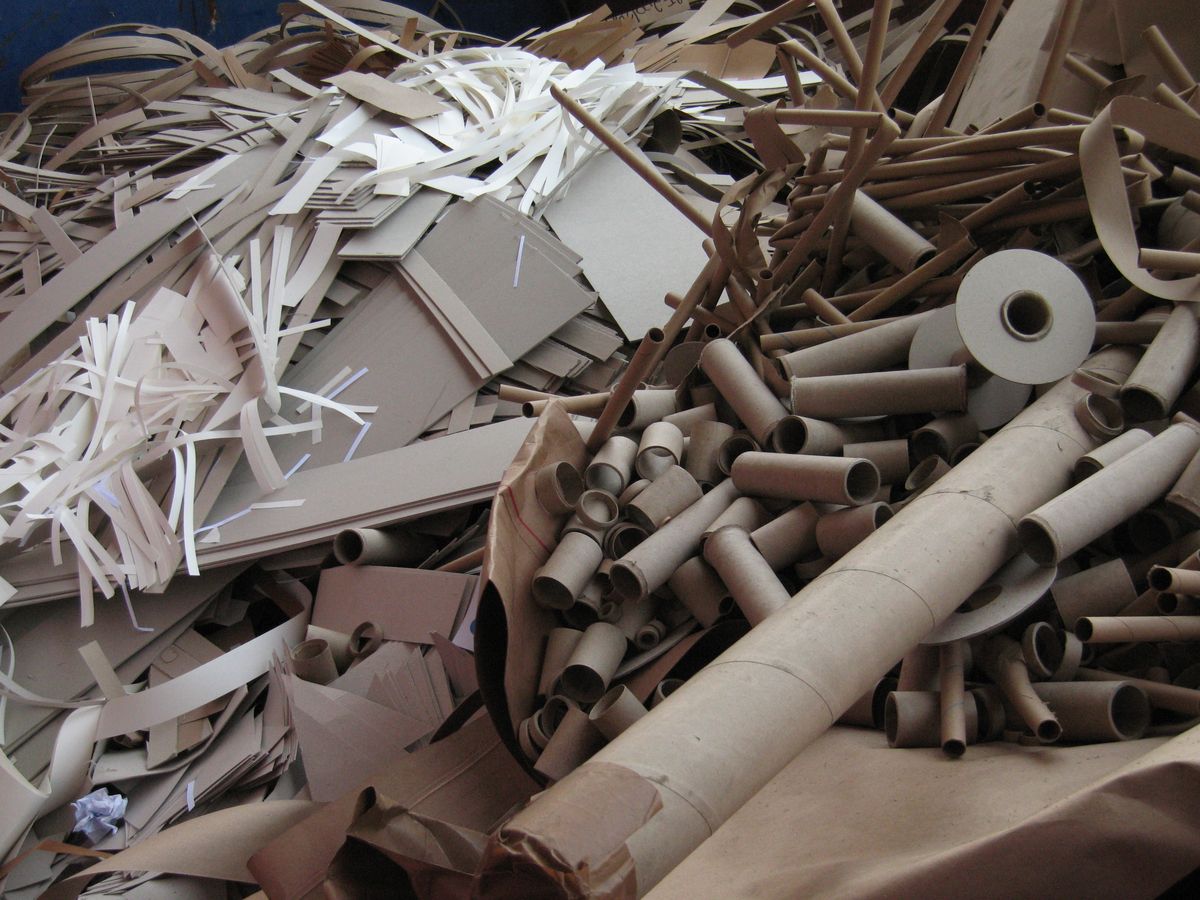
Mixed waste paper
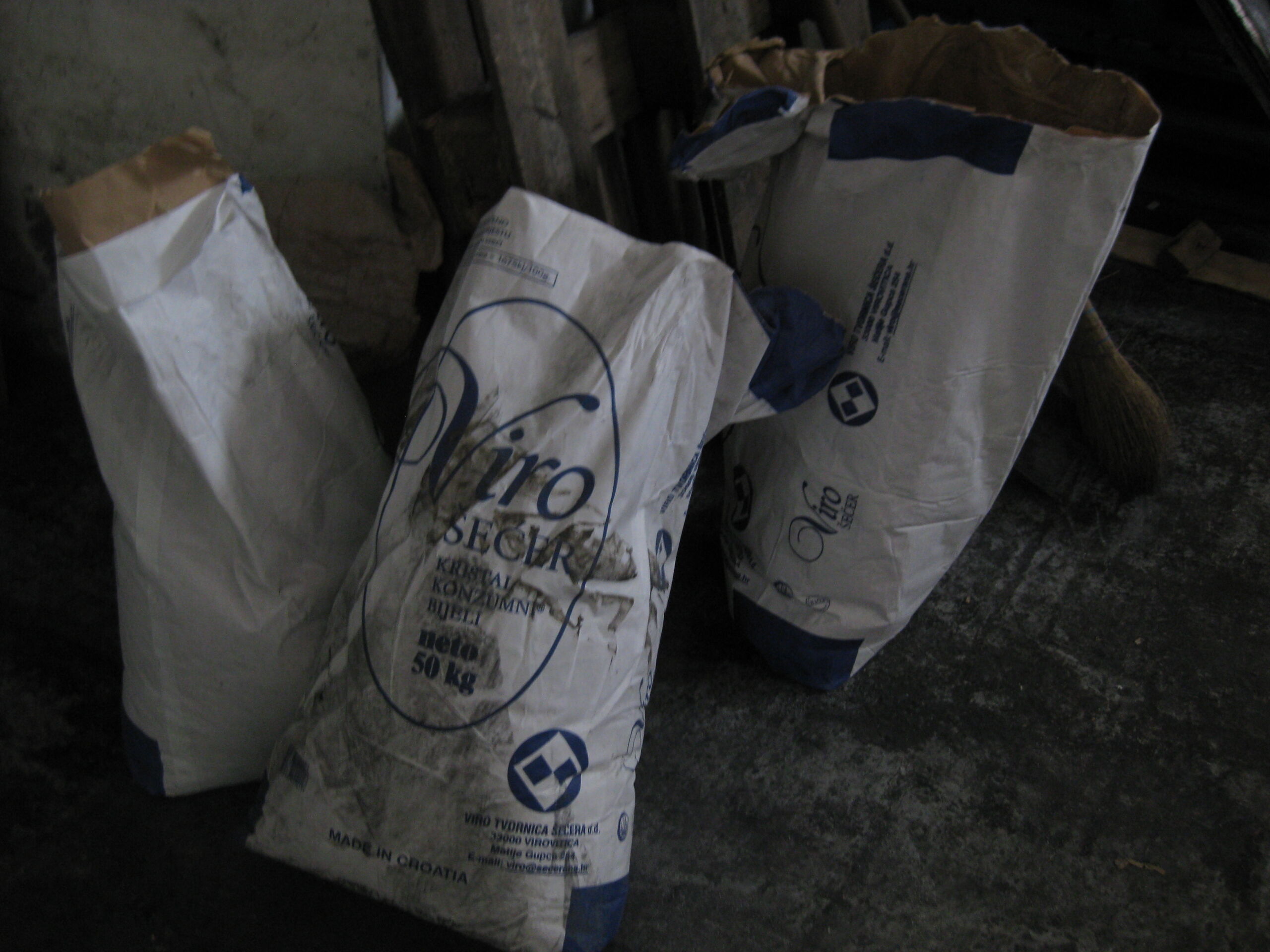
Waste paper bags
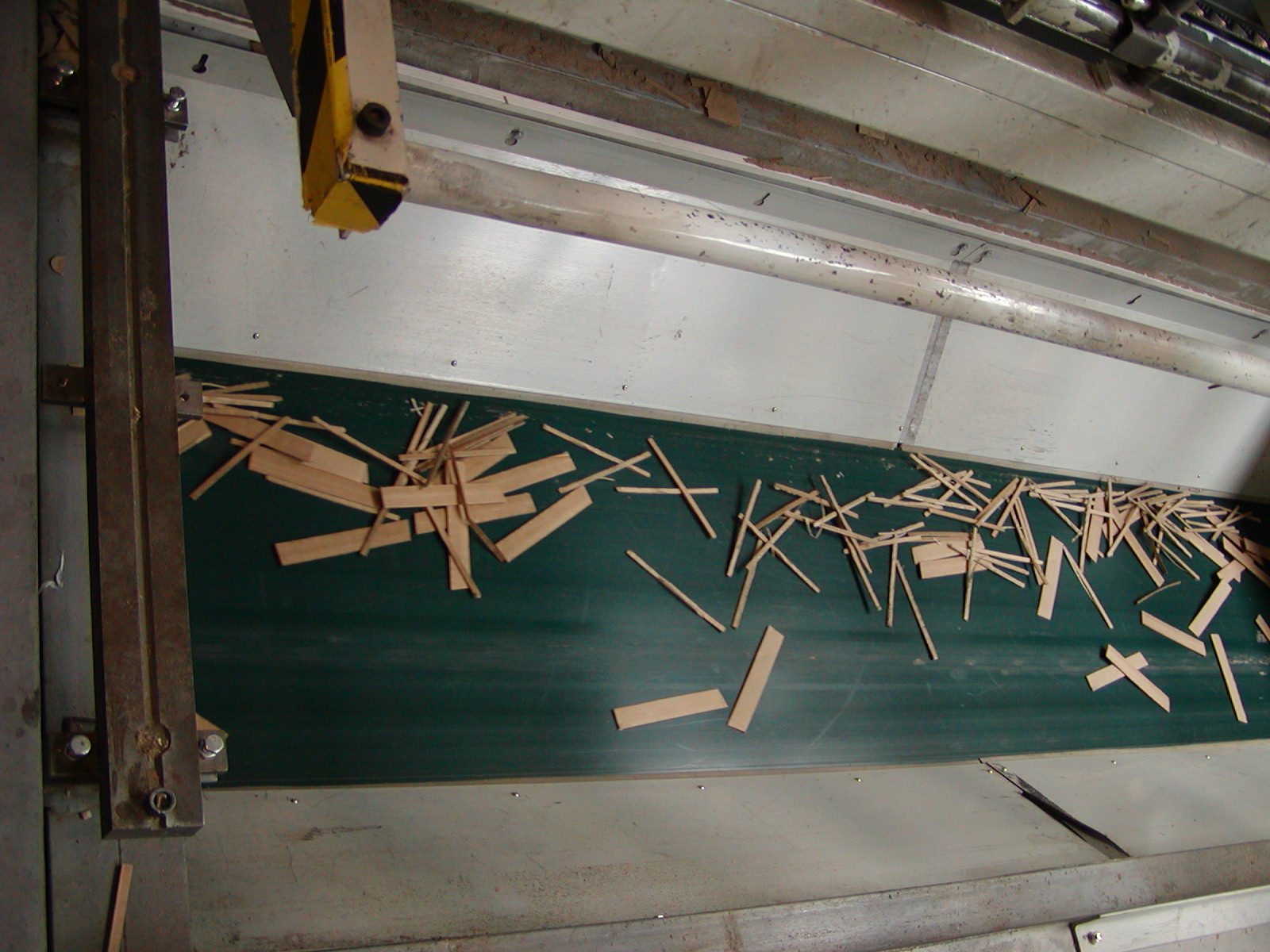
Offcuts from cardboard box manufacturing
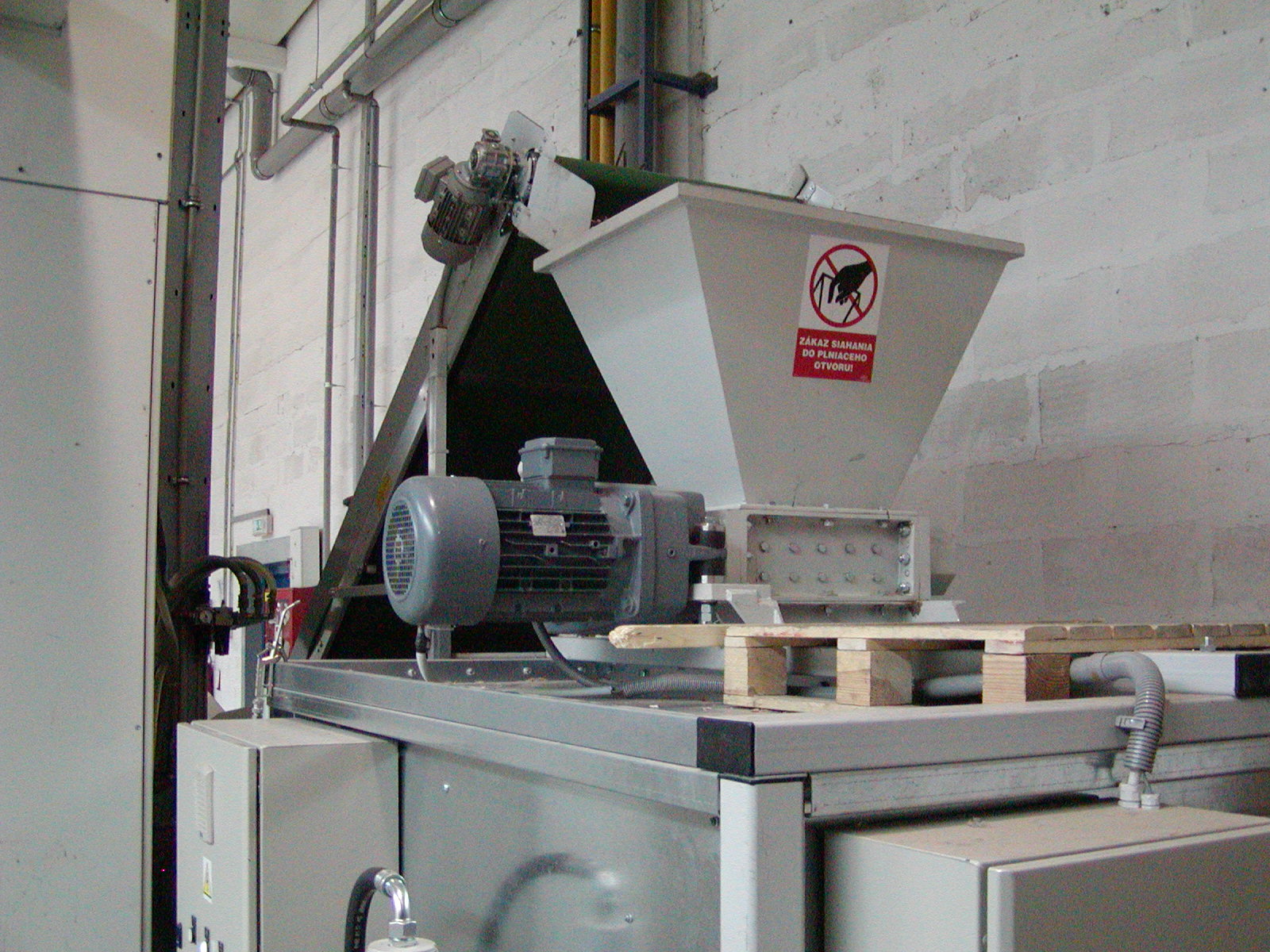
Shredding cardboard offcuts before briquetting
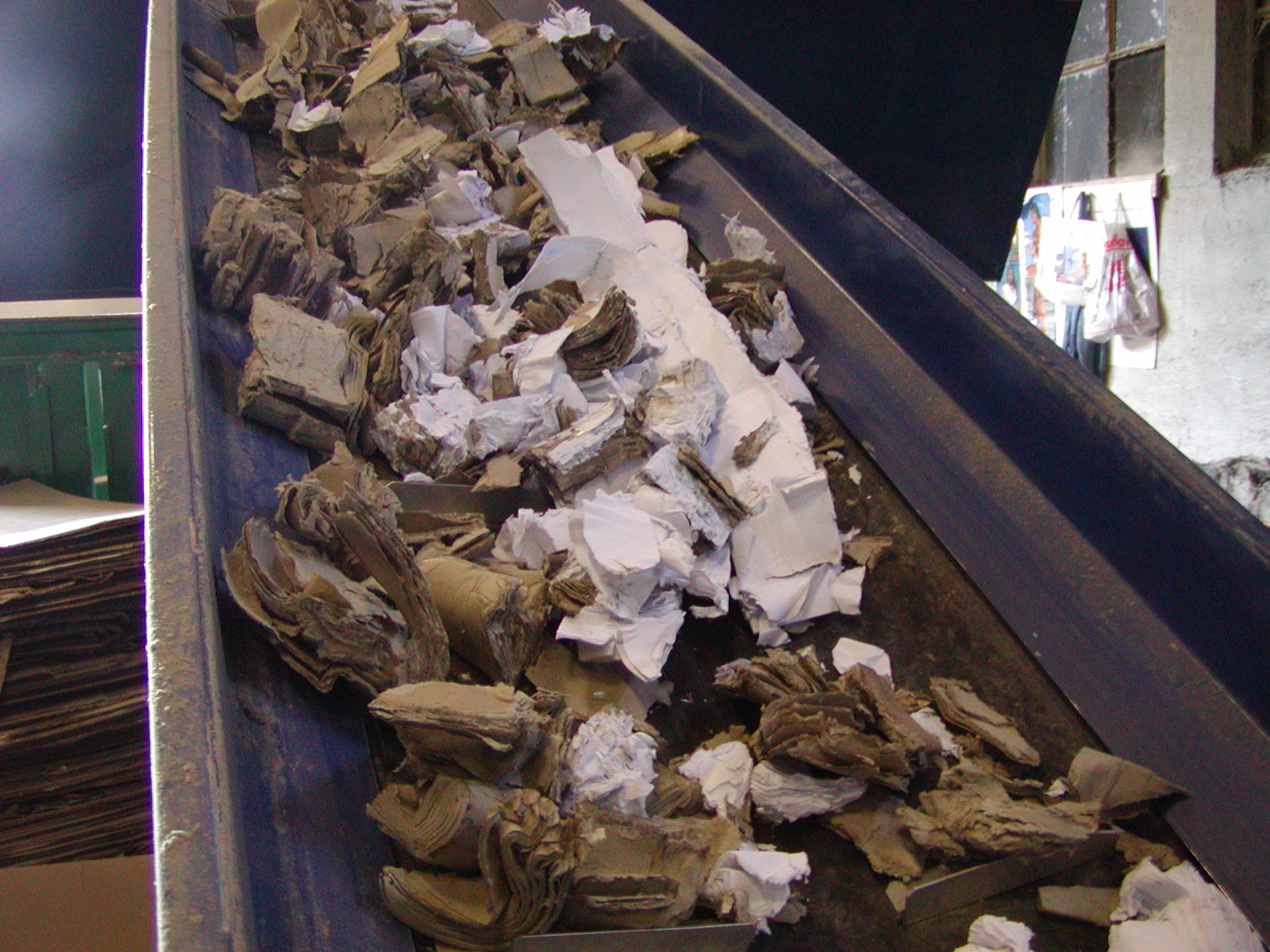
Coarsely shredded cardboard and paper before baling
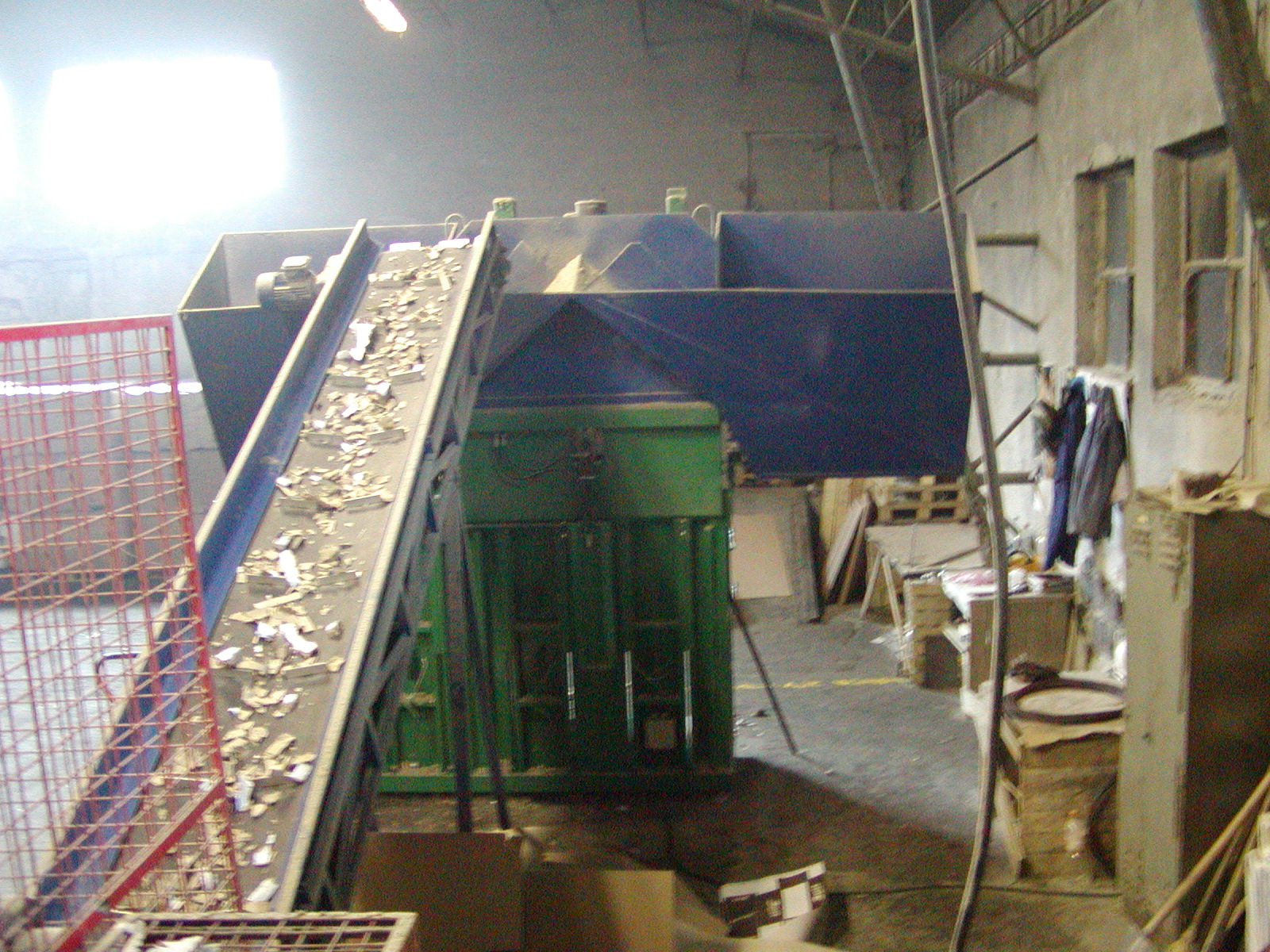
Feeding coarsely shredded cardboard into a baler
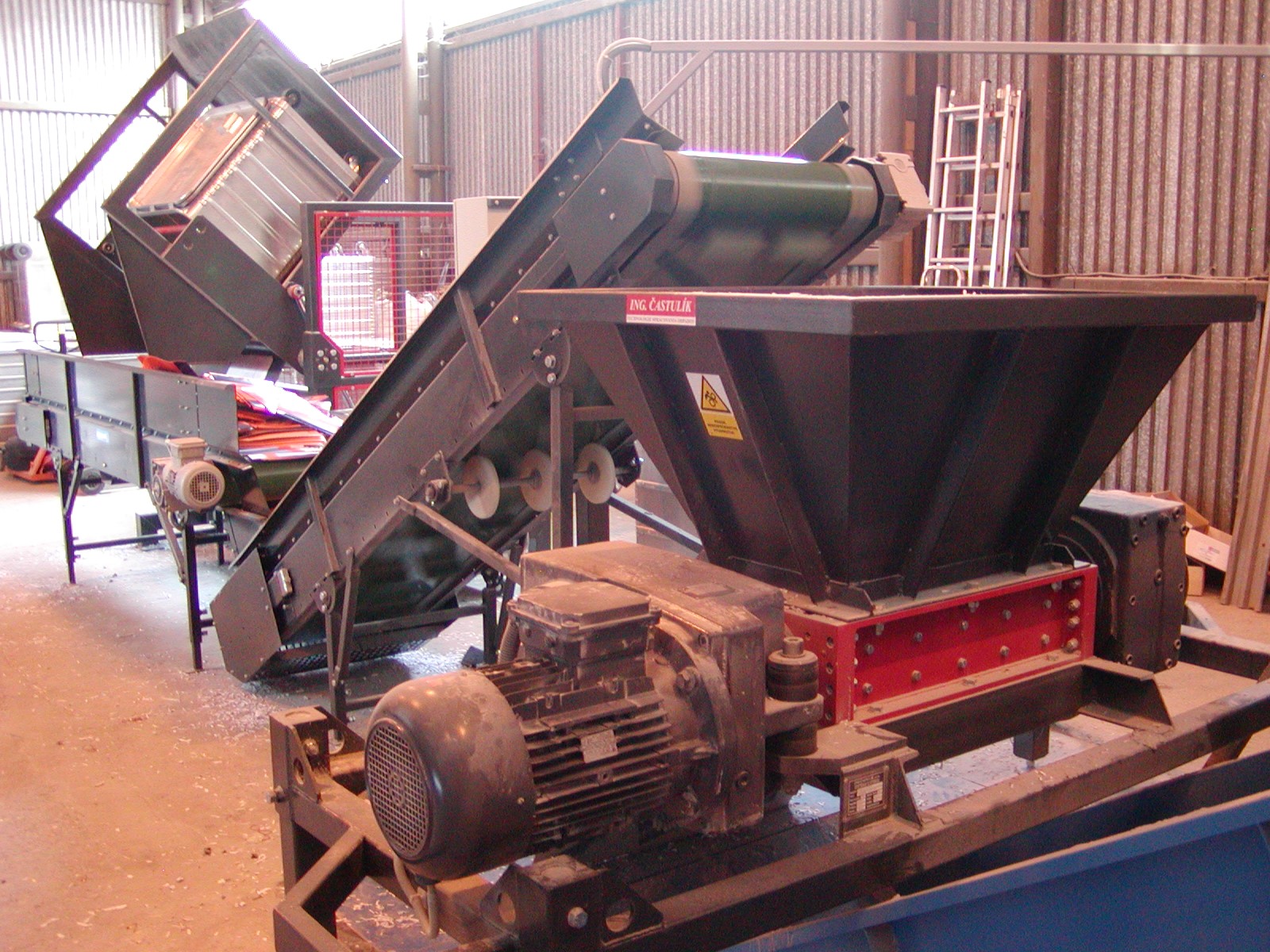
DR160 twin-shaft shredder used for document destruction
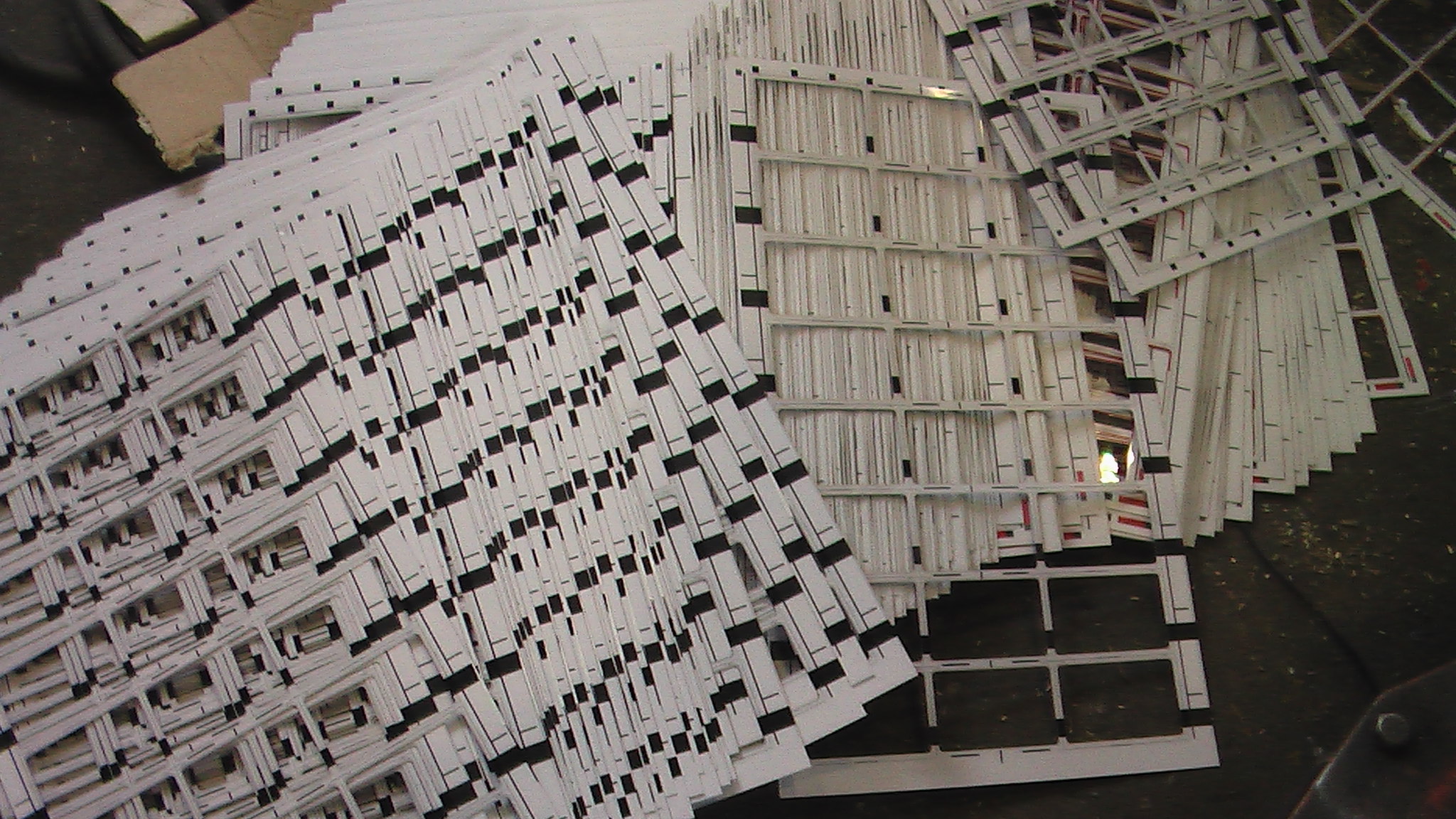
Cardboard die-cut waste
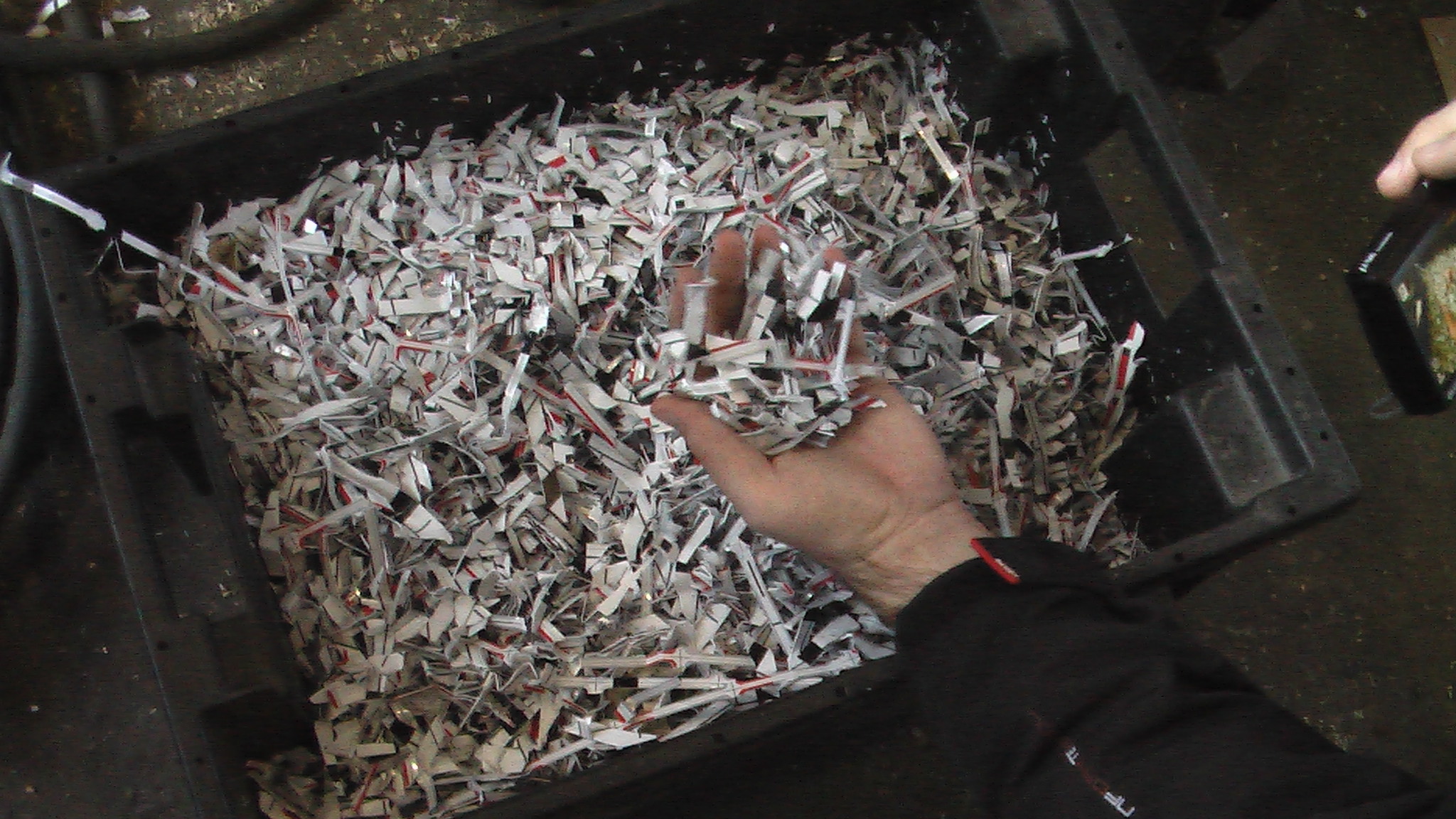
Shredded cardboard die-cut waste
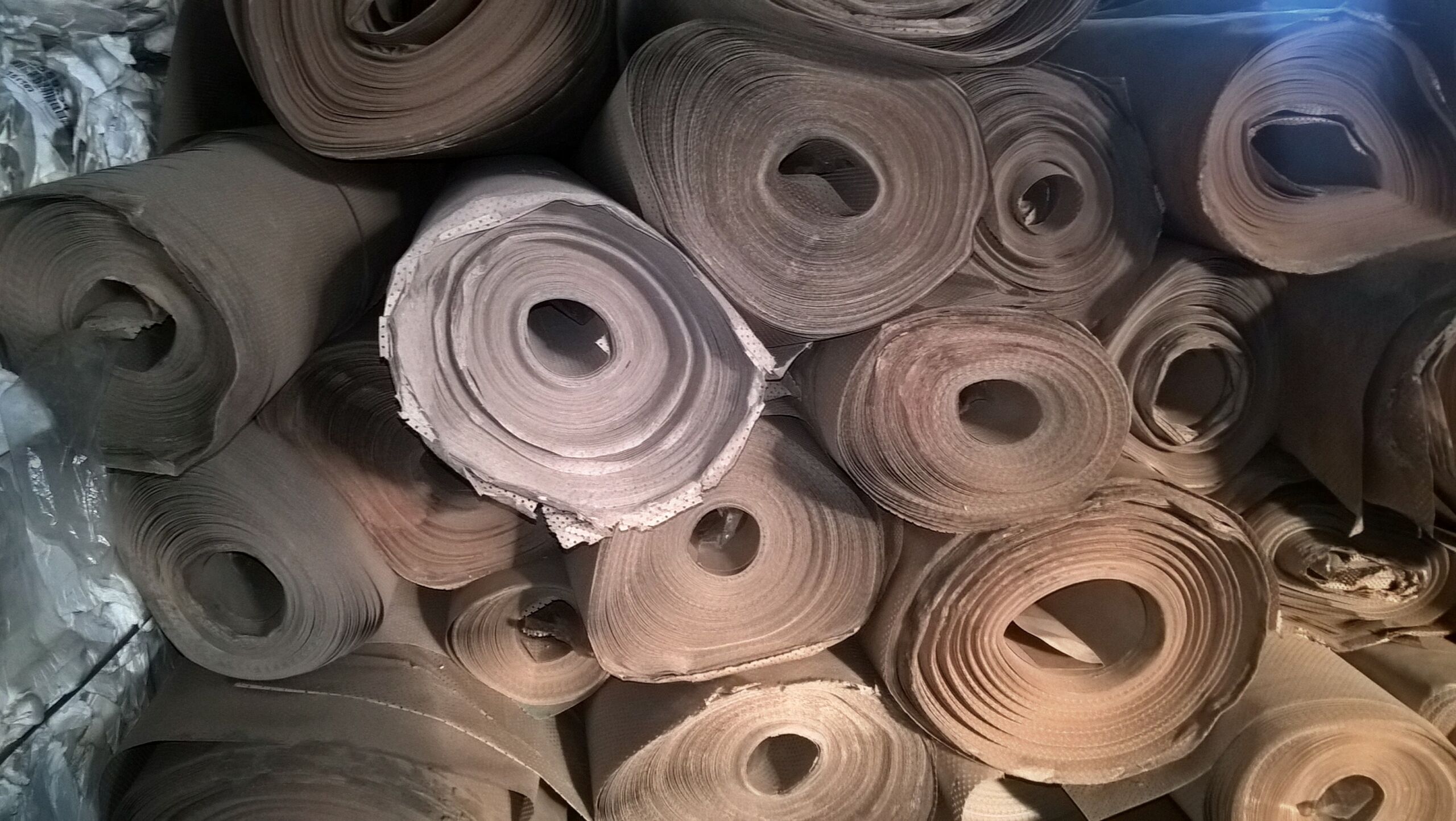
Paper rolls ready for shredding
How paper and cardboard shredding works
There is no single universally suitable output particle size for shredding paper and cardboard. The shredding method and appropriate type of shredder depend on the input material, required throughput and, most importantly, how the shredded material will be processed afterwards.
Coarse shredding
Slow-speed twin-shaft shredders can be used to reduce the size of cardboard boxes, paper cores and bulky paper waste. The result is a coarse, irregular shredded material suitable for further handling, pneumatic conveying, baling or pulping.
For some applications, an output particle size of approximately 50-100 mm is sufficient.
Coarse shredding is highly efficient and can achieve high throughput with relatively low electrical power consumption. Another significant advantage of shredding paper and cardboard in twin-shaft shredders is the low level of dust generation. The process produces minimal dust emissions, which has a positive impact on workplace cleanliness and the overall hygiene of the processing system.
Shredding to a defined particle size
Where downstream equipment requires smaller, more uniform particles, the output size must be controlled using a sizing screen.
Screen-equipped shredders, such as single-shaft shredders or granulators, can be used for this purpose. The material remains in the shredding chamber until it is small enough to pass through the screen positioned beneath the rotating knives.
Multi-stage shredding
Where a finer output particle size is required, dividing the process into two or more stages can be advantageous.
The first stage, usually a twin-shaft shredder, is designed to grip the material and draw it efficiently into the shredding chamber. At this stage, bulky input material is pre-shredded before being reduced to the required particle size in a subsequent stage. This prepares the material for downstream processes such as briquetting, pelletising or secure destruction. Pre-shredding can significantly increase the overall throughput of paper and cardboard shredding.
Material feeding methods
The way paper and cardboard waste is fed into the shredder has a major influence on the required machine size and design. Knowing the required throughput in kilograms per hour is therefore not enough when designing a shredding system.
Paper and cardboard often have a very low bulk density. Even a relatively small quantity of material can occupy a large volume. A shredder that would be sufficient in terms of mass throughput may therefore be too small for the intended feeding method.
There is a fundamental difference between an application where an operator manually feeds individual pieces of paper into the shredder and one where the entire contents of a crate, pallet load or large container are tipped into the hopper at once. Other feeding methods include loading by forklift, loader, grab or conveyor.
The greater the quantity of material loaded at once, and the more intensive the feeding method, the greater the demands on the dimensions of the hopper, shredding chamber and machine itself.
In practice, a smaller shredder may be capable of handling the required throughput, but the way the material is loaded may call for a much larger machine. The larger shredder will typically have a higher rated throughput, but this is a consequence of its size rather than the reason it was selected.
The feeding method and the rate at which material is loaded into the hopper are therefore key considerations when designing a paper and cardboard shredding system.
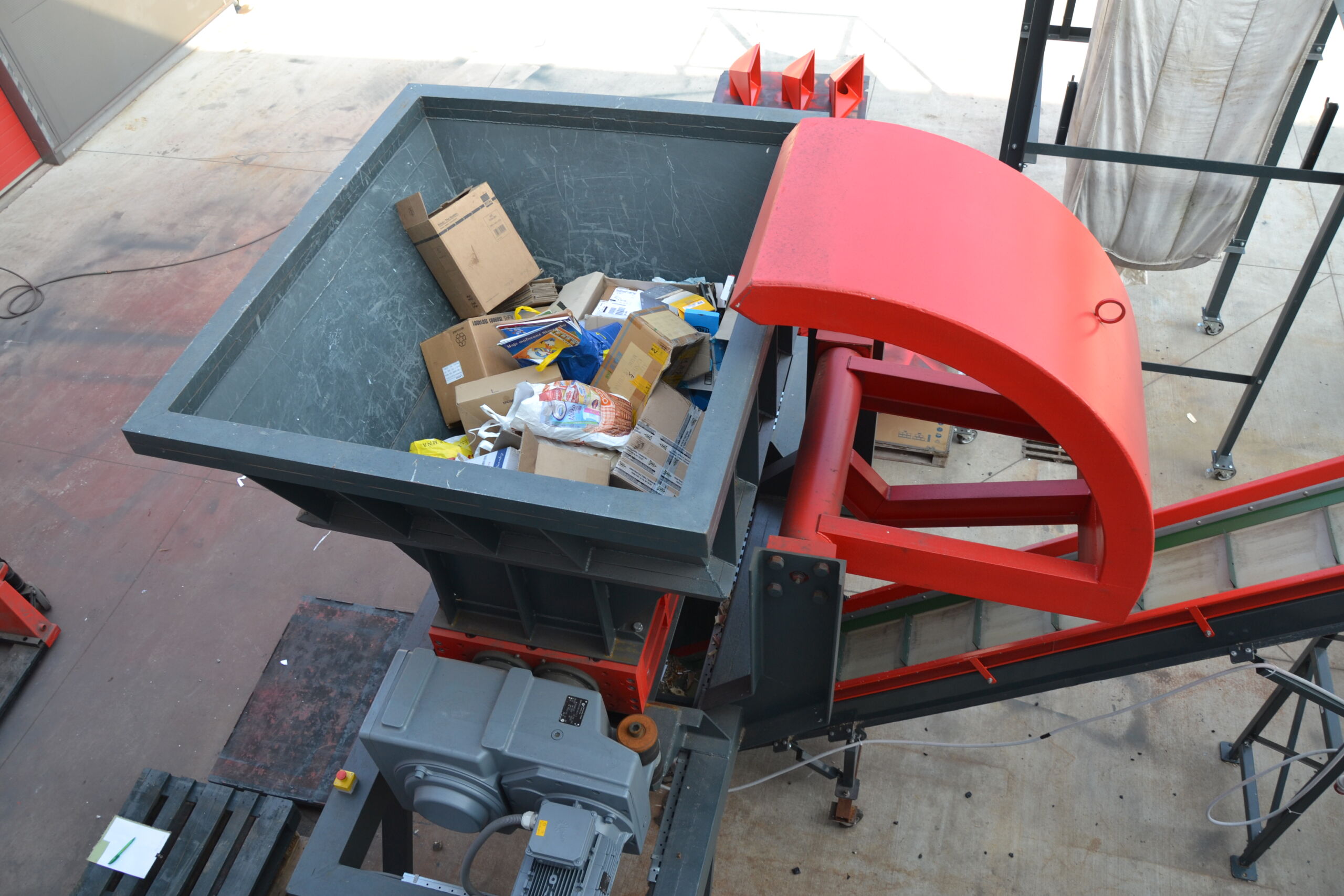
DR240 twin-shaft shredder processing paper
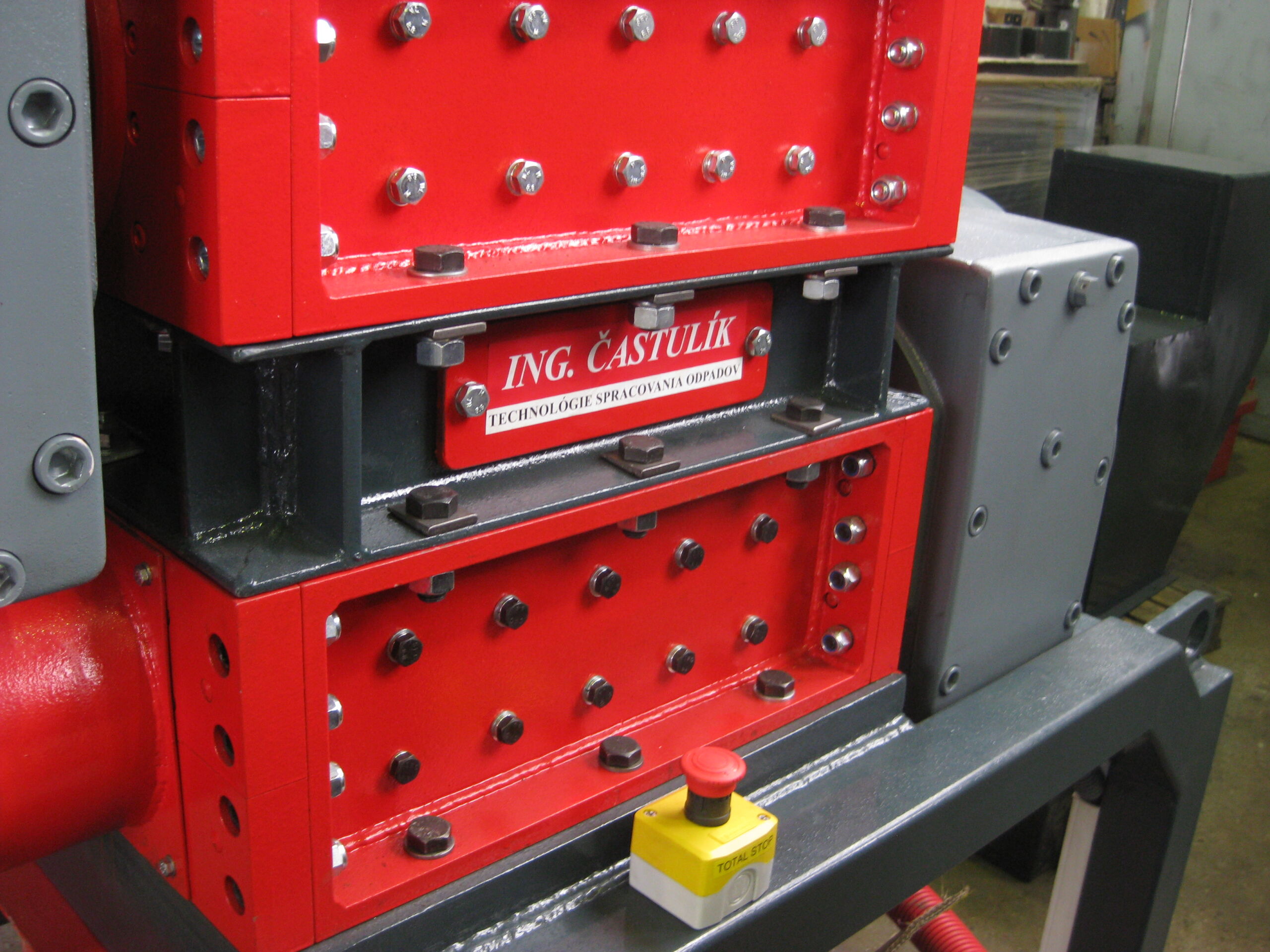
Two-stage shredding in the ARIES160
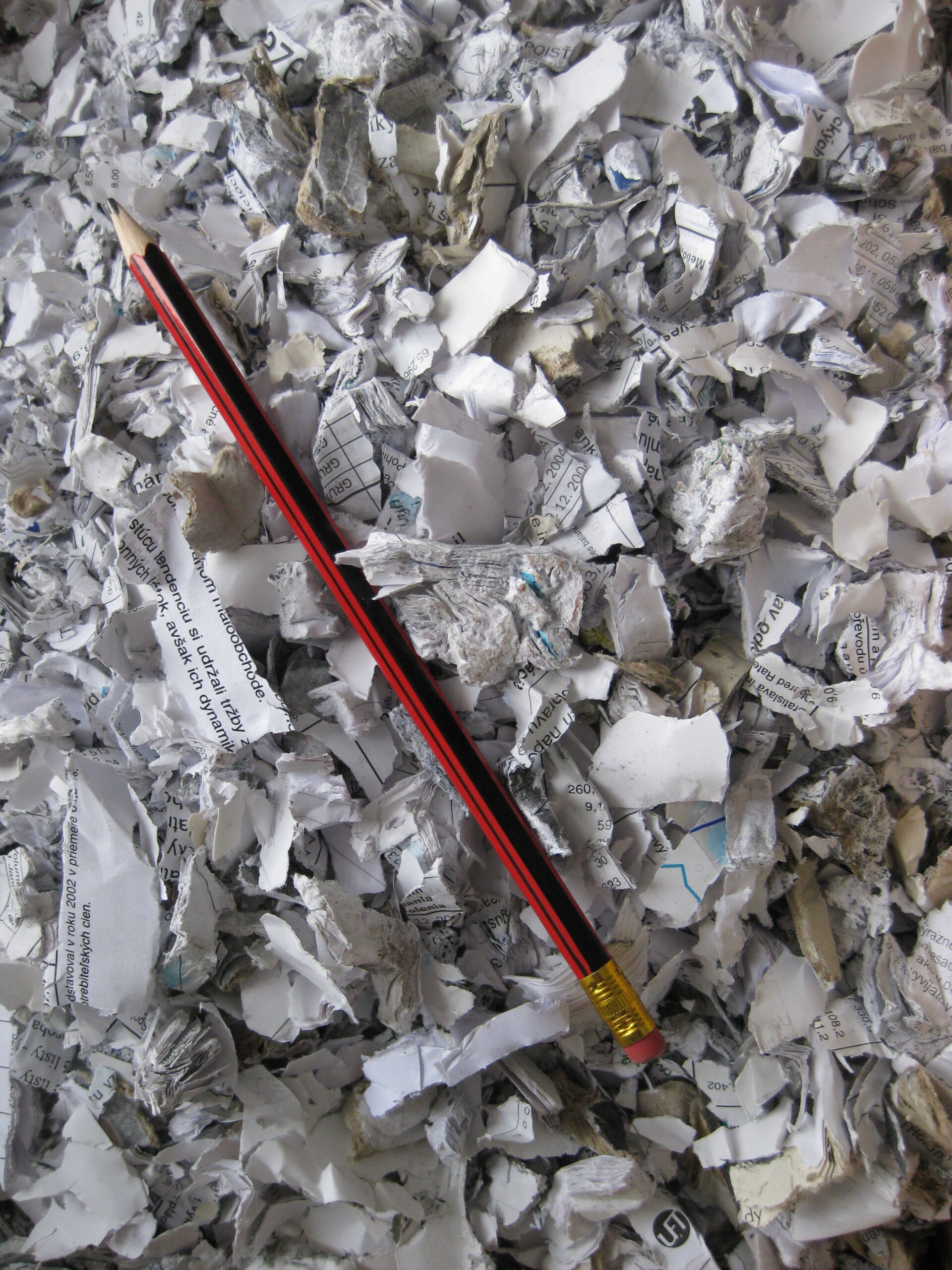
Paper after two-stage shredding in the ARIES160
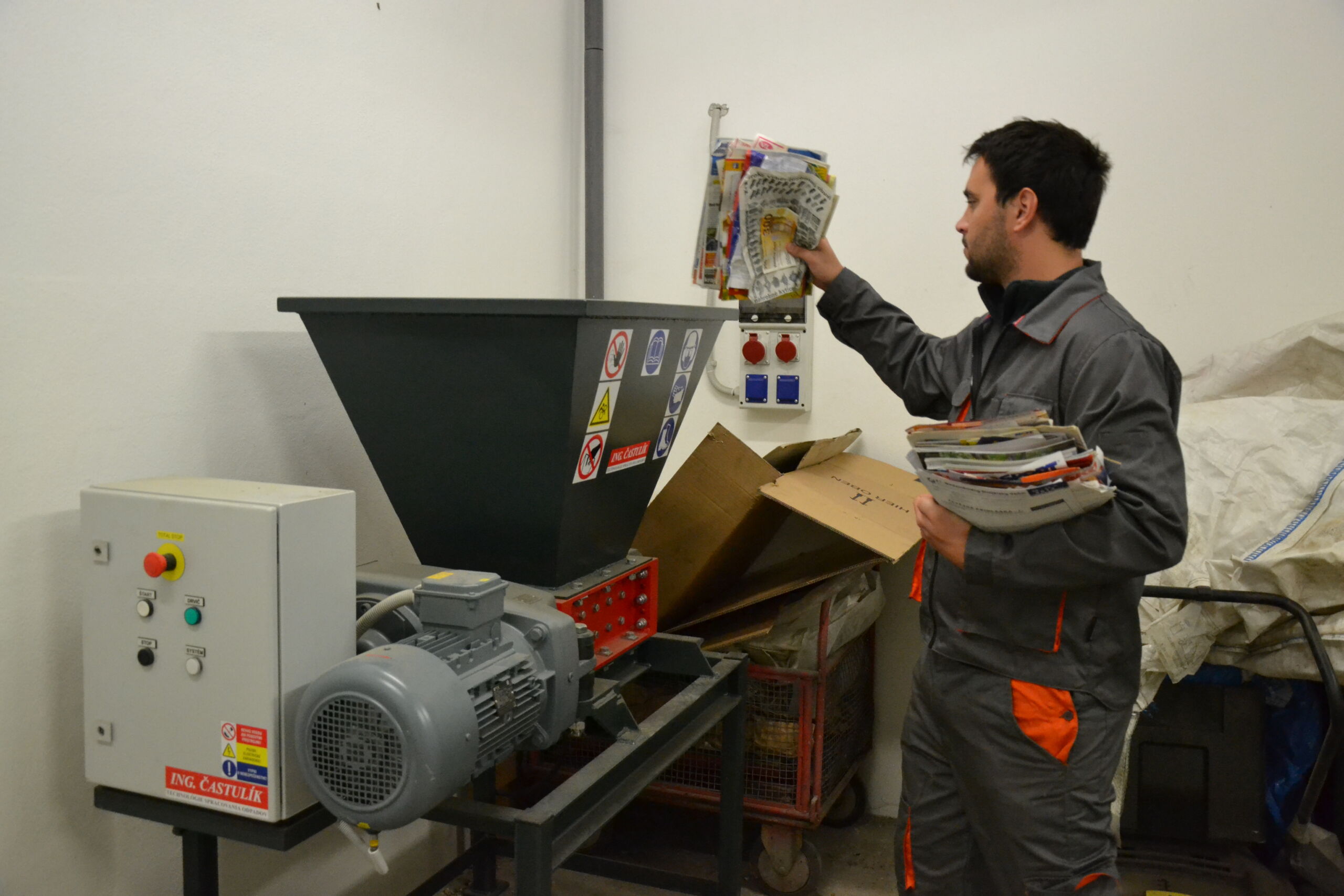
Manually feeding paper into a DR120 twin-shaft shredder
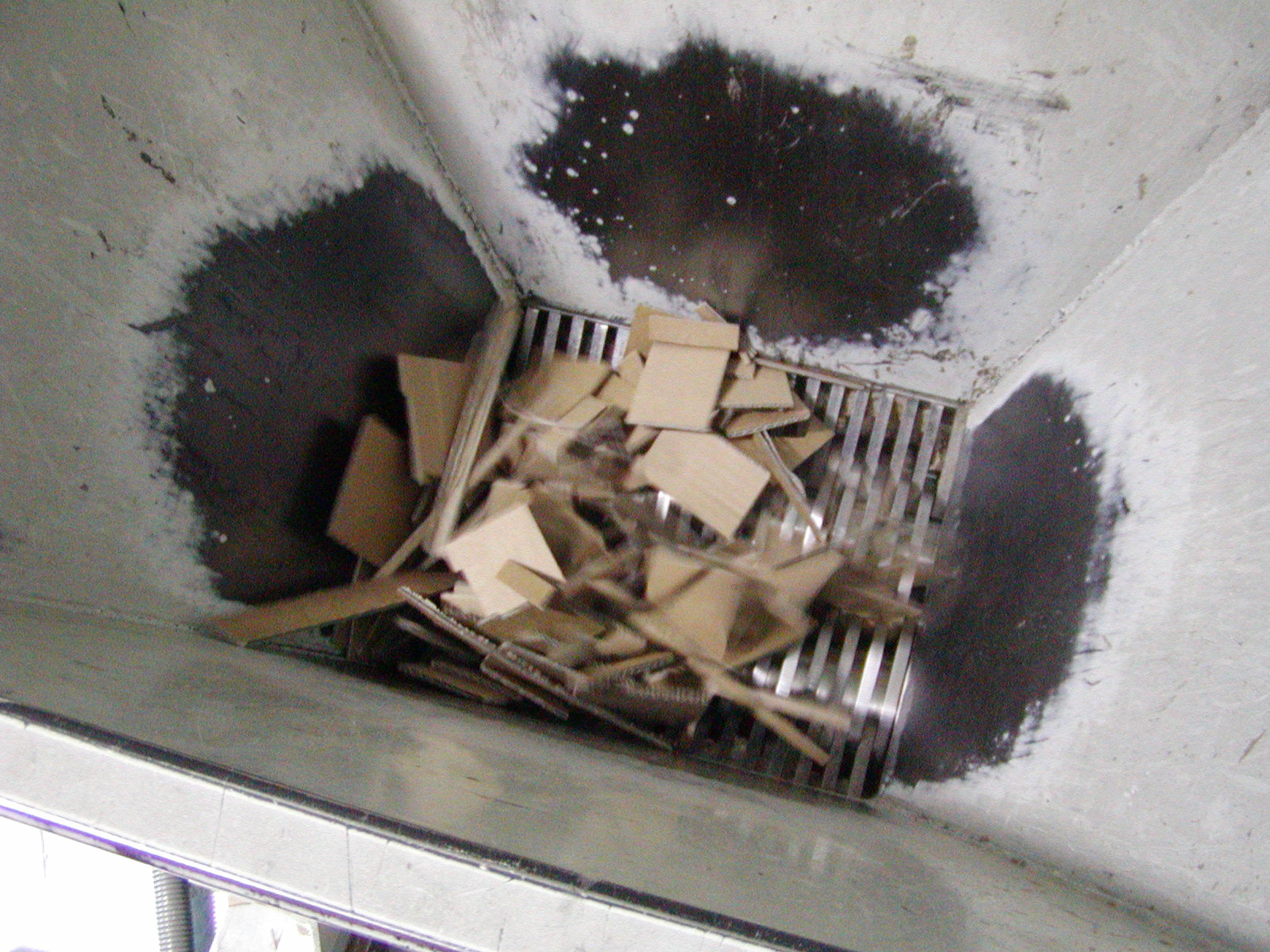
Shredding cardboard in a DR120 twin-shaft shredder
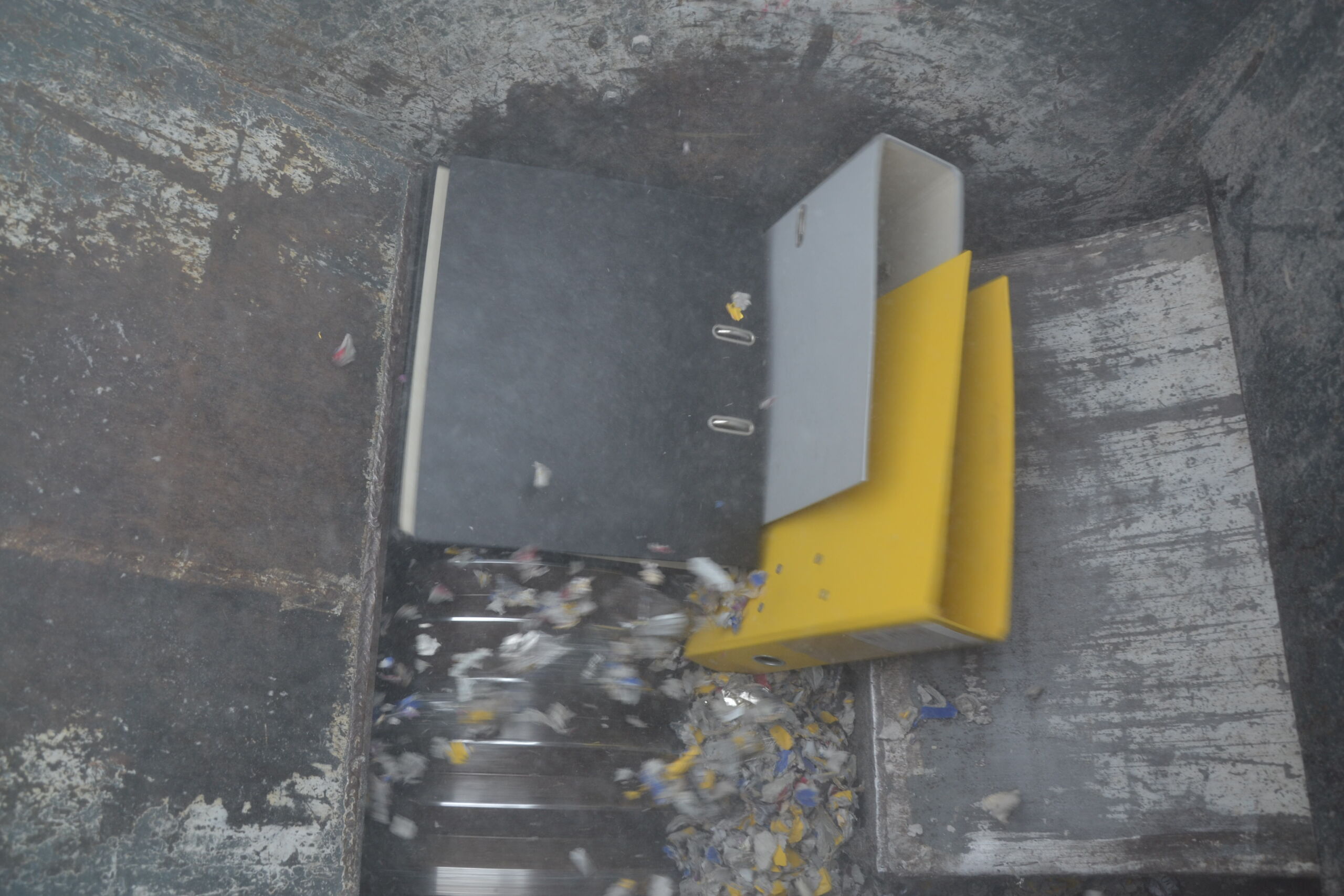
Shredding ring binders in a CASTOR single-shaft shredder
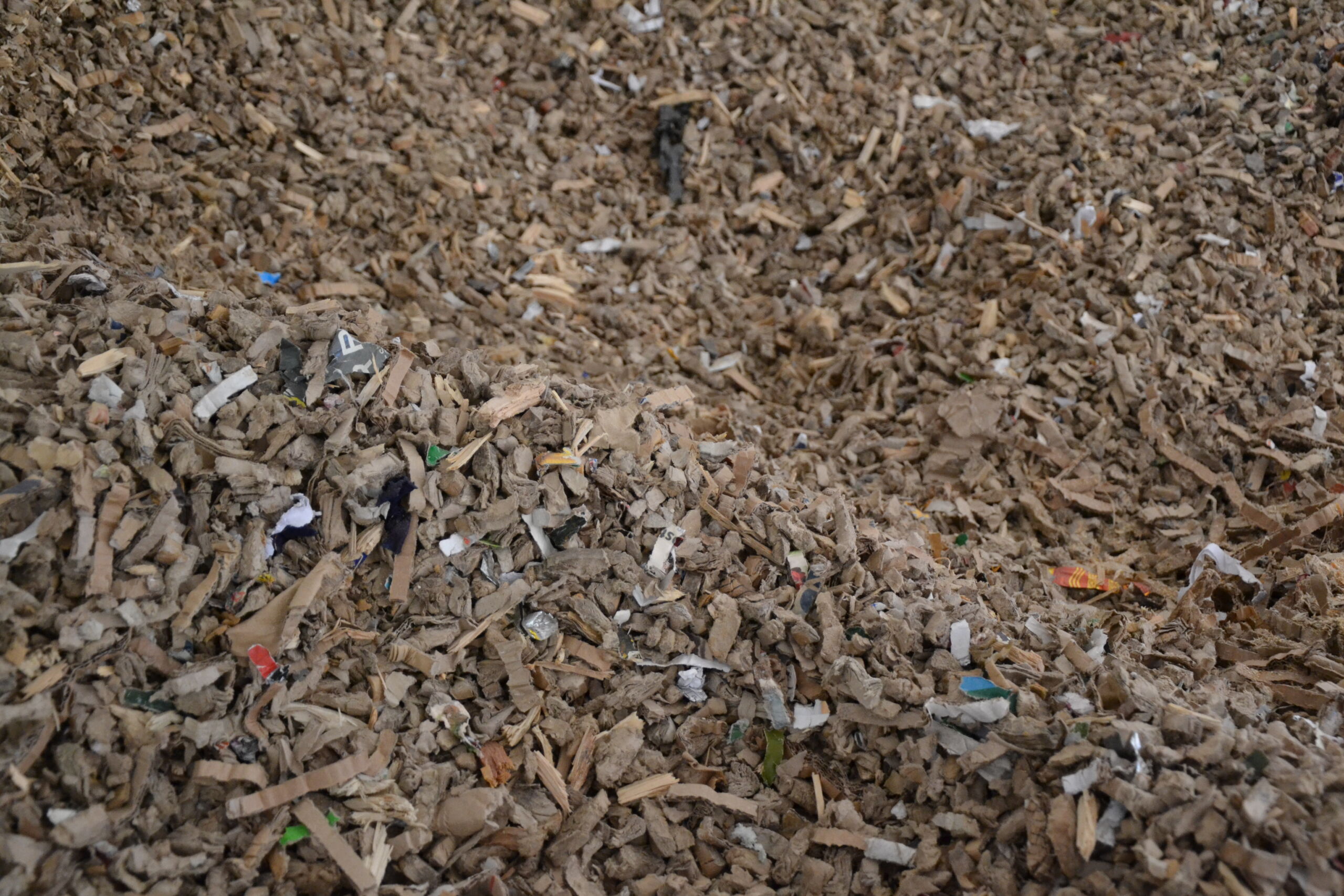
Cardboard shredded in a DR120 twin-shaft shredder, ready for briquetting
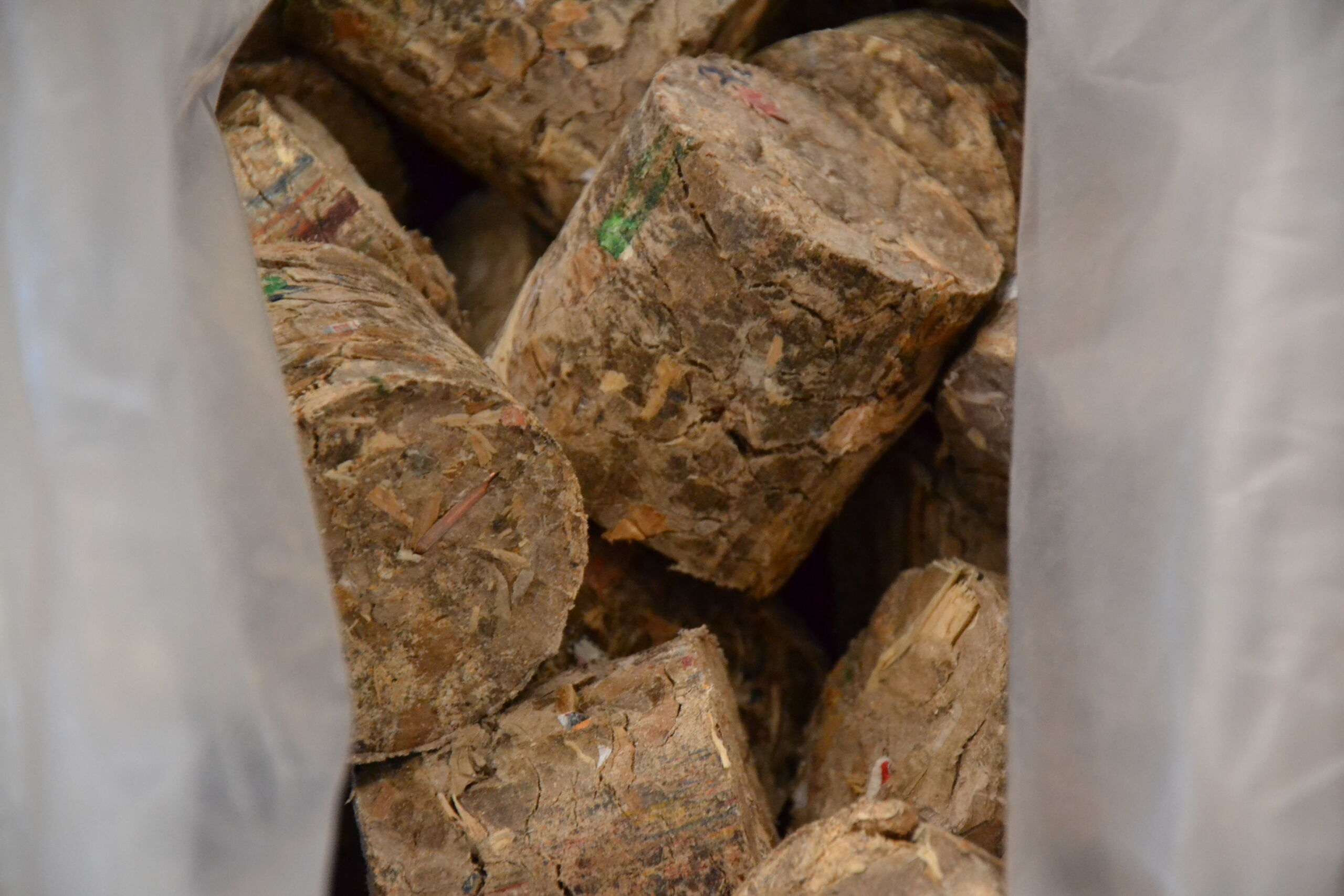
Cardboard and paper briquettes
Which paper and cardboard shredder should you choose?
Several types of CASTULIK shredders can be used to process paper and cardboard. The most suitable model depends primarily on the dimensions of the input material, feeding method, required throughput and output particle size.
DR twin-shaft shredders
DR series twin-shaft shredders are primarily designed for coarse shredding of bulky paper and cardboard waste. The typical output particle size from these machines is up to 100 mm.
The aggressive action of the two rotors draws material into the shredding chamber, allowing cardboard boxes, paper cores and other bulky waste to be processed efficiently. They are also suitable as the first stage of a processing line before subsequent finer shredding. Smaller models can shred paper and cardboard to a particle size suitable for briquetting.
Depending on the required throughput, material dimensions and feeding method, different shredding chamber sizes, rated torque and total electrical power requirements can be selected.
Suitable applications: Cardboard boxes, paper cores, bulky paper waste, pre-shredding and, under certain conditions, briquetting.
ARIES four-shaft shredders
ARIES four-shaft shredders combine intense material gripping with further size reduction to a relatively small particle size as the material passes through the second shredding stage.
They are suitable for applications where bulky paper or cardboard waste needs to be processed while also producing a relatively fine output.
Suitable applications: Paper and cardboard, secure destruction, preparation for further processing and briquetting.
PICUS and CASTOR single-shaft shredders
Single-shaft shredders process material using rotor knives and a sizing screen. This allows paper and cardboard waste to be reduced to the required output particle size.
They can operate independently or as a subsequent stage following coarse pre-shredding.
Suitable applications: Paper manufacturing waste, cardboard, preparation for briquetting or further processing.
MN and SG granulators
Granulators are designed for finer size reduction. Rotating and stationary knives cut the material, while a sizing screen controls the output particle size.
They are primarily used where the next processing stage requires fine material with a more uniform particle size.
Suitable applications: Fine shredding of paper, preparation for briquetting and pelletising, secure destruction.

Twin-shaft shredder shredding chamber
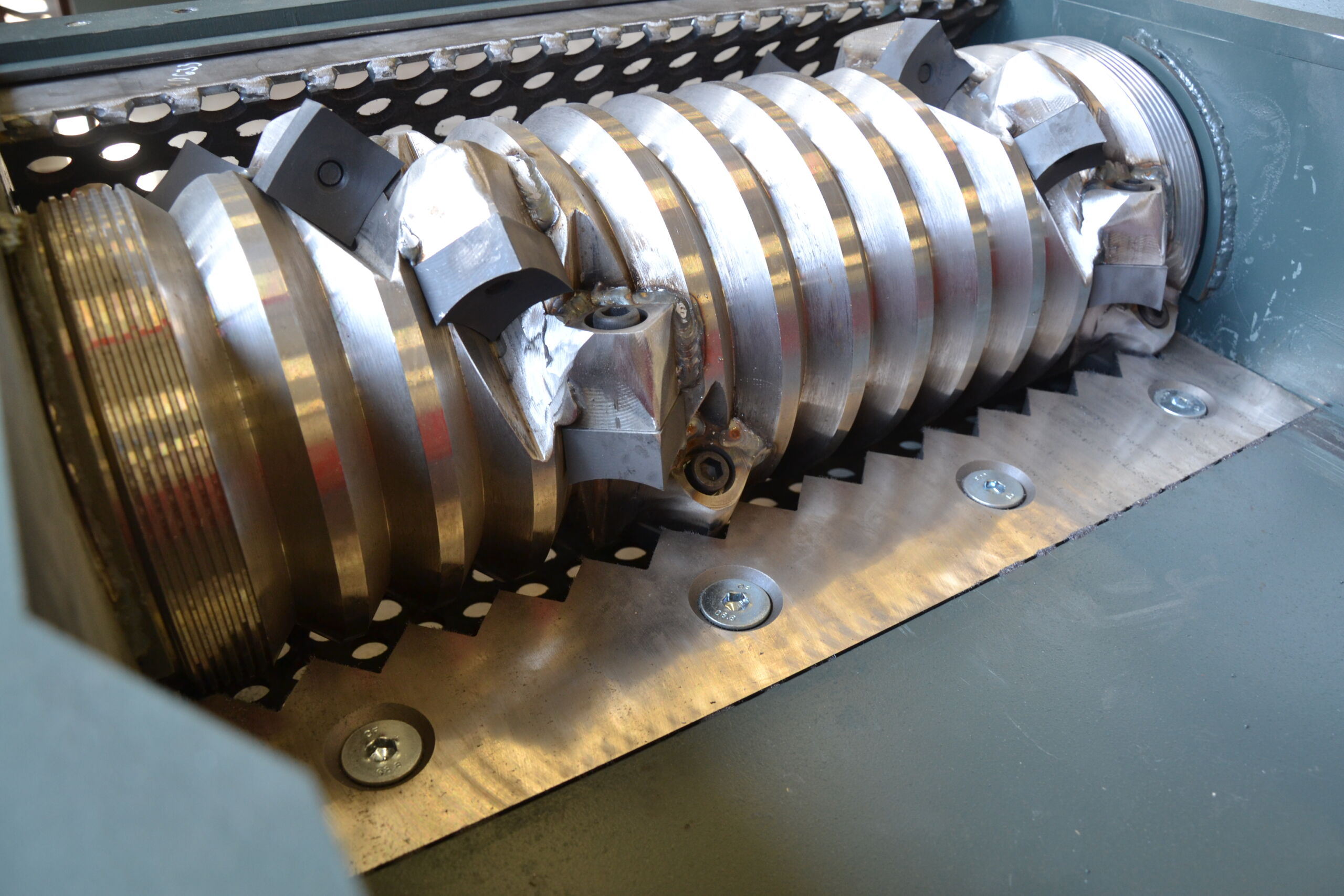
Single-shaft shredder shredding chamber
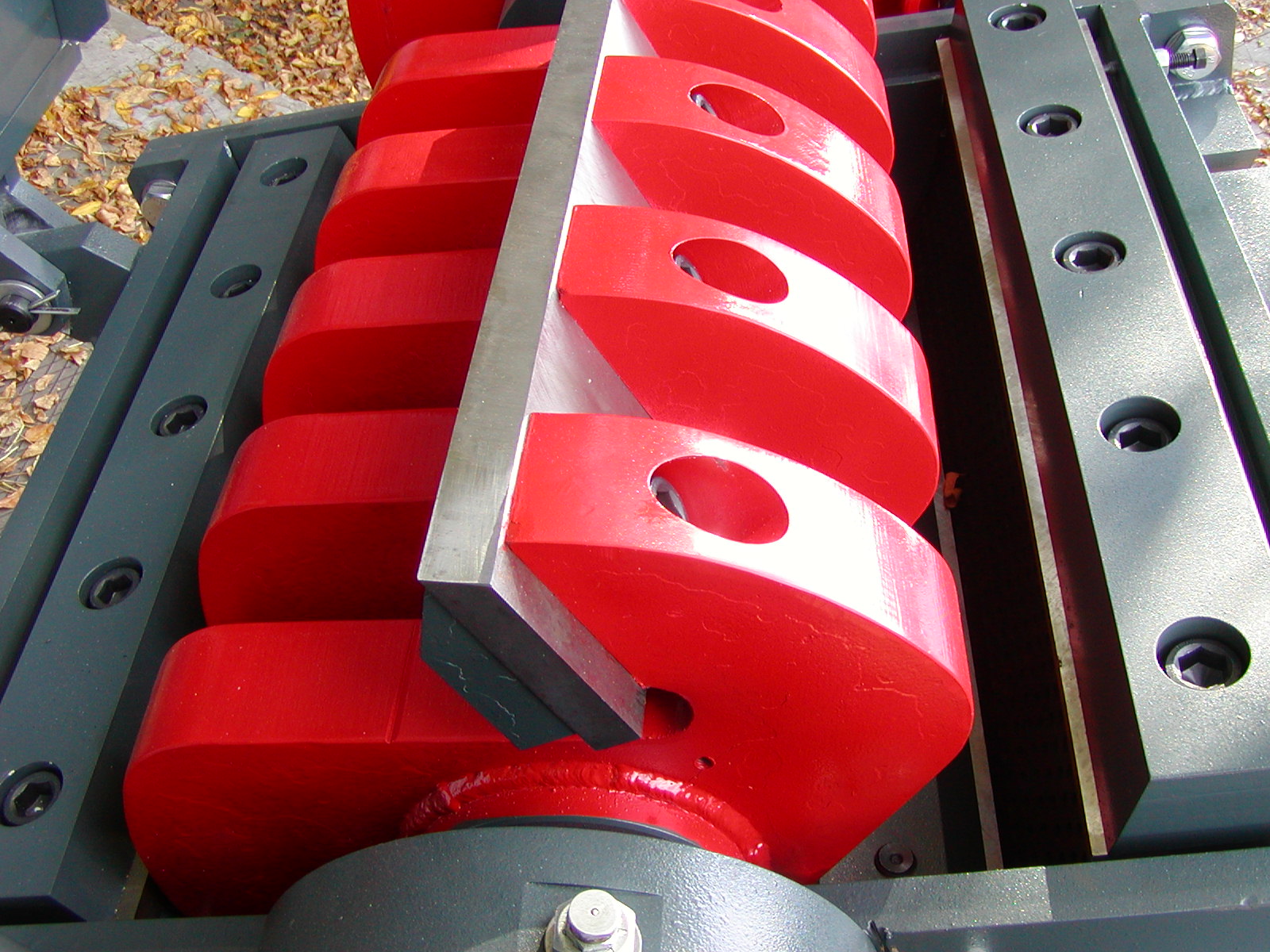
Granulator shredding chamber
Bone and animal-hide shredders
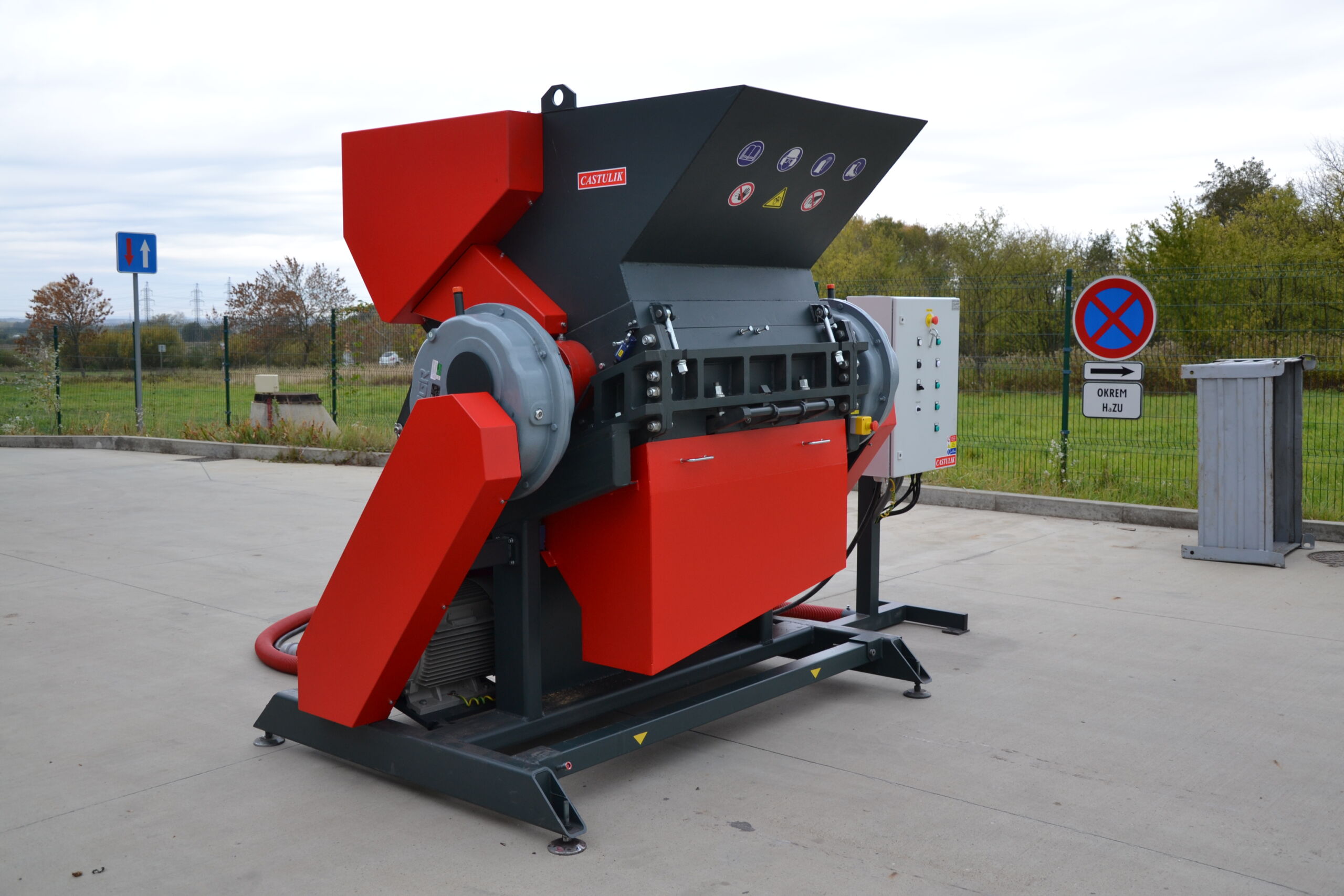
CASTOR_1000 single-shaft shredder

LUPUS_492 four-shaft shredder for destroying documents and data storage media

MN300 granulator
Plywood shredders
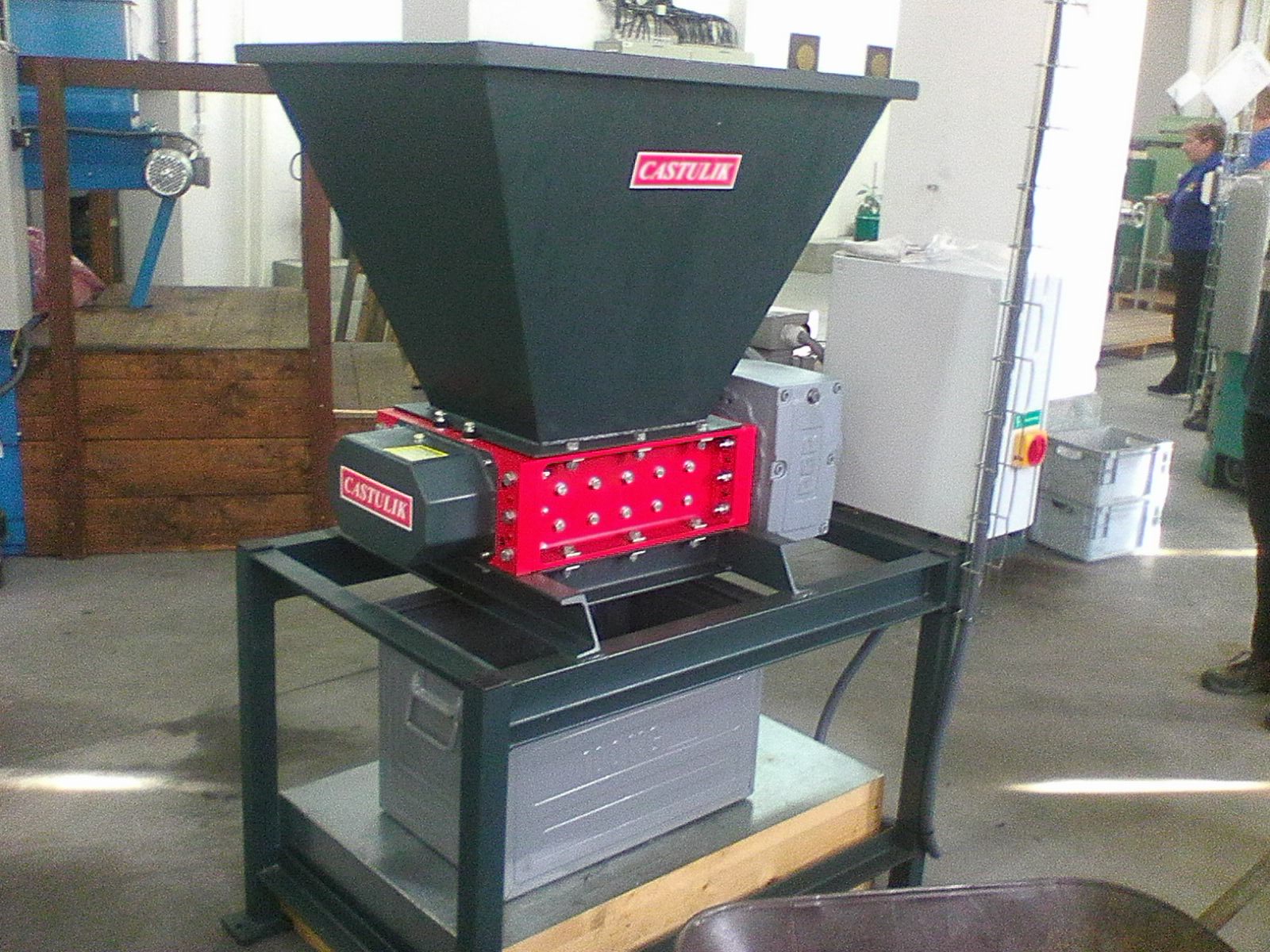
DR120 twin-shaft shredder for cardboard and paper
Machines for shredding paper cores and cardboard boxes before baling
Nothing Found
Machines for shredding cardboard before briquetting
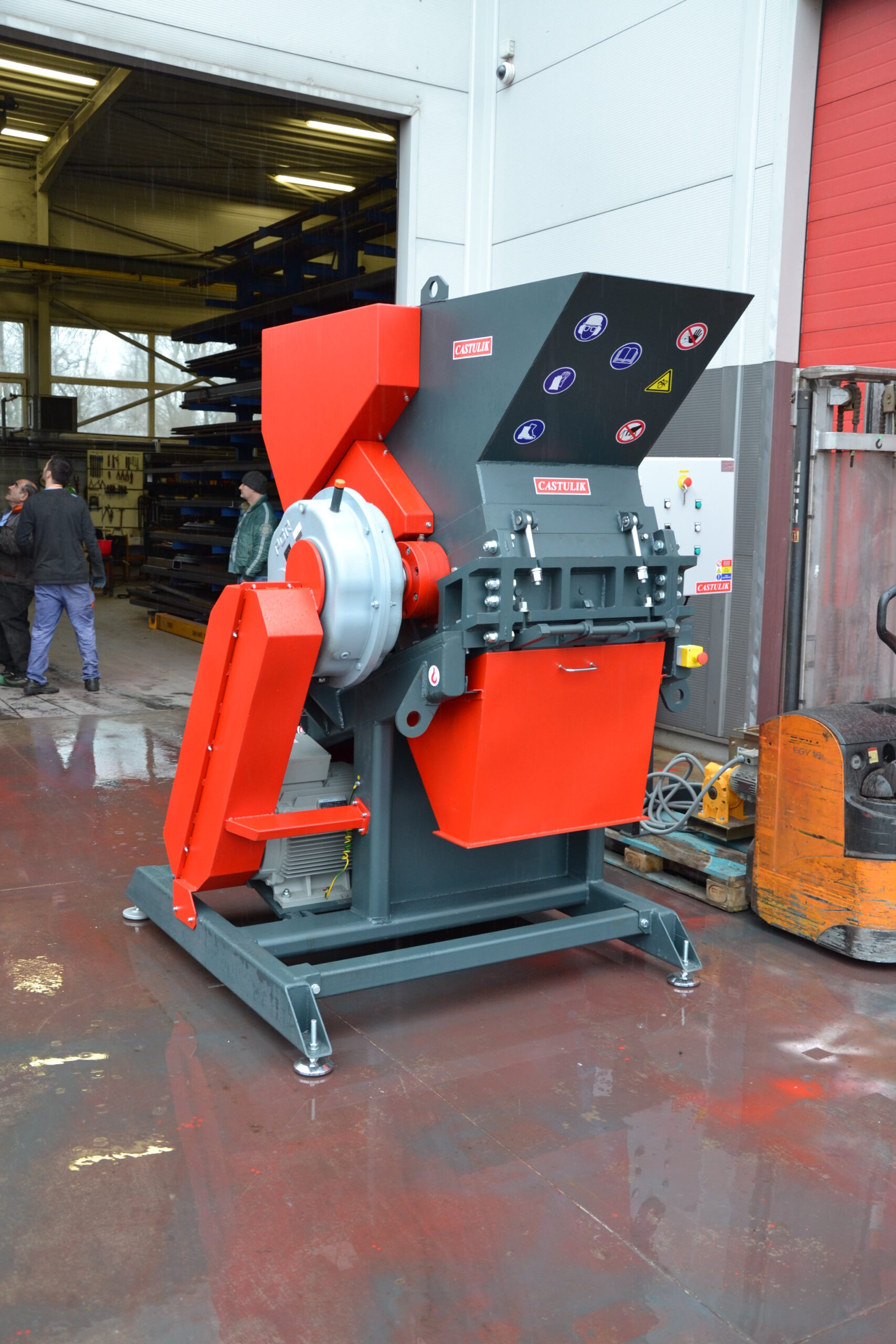
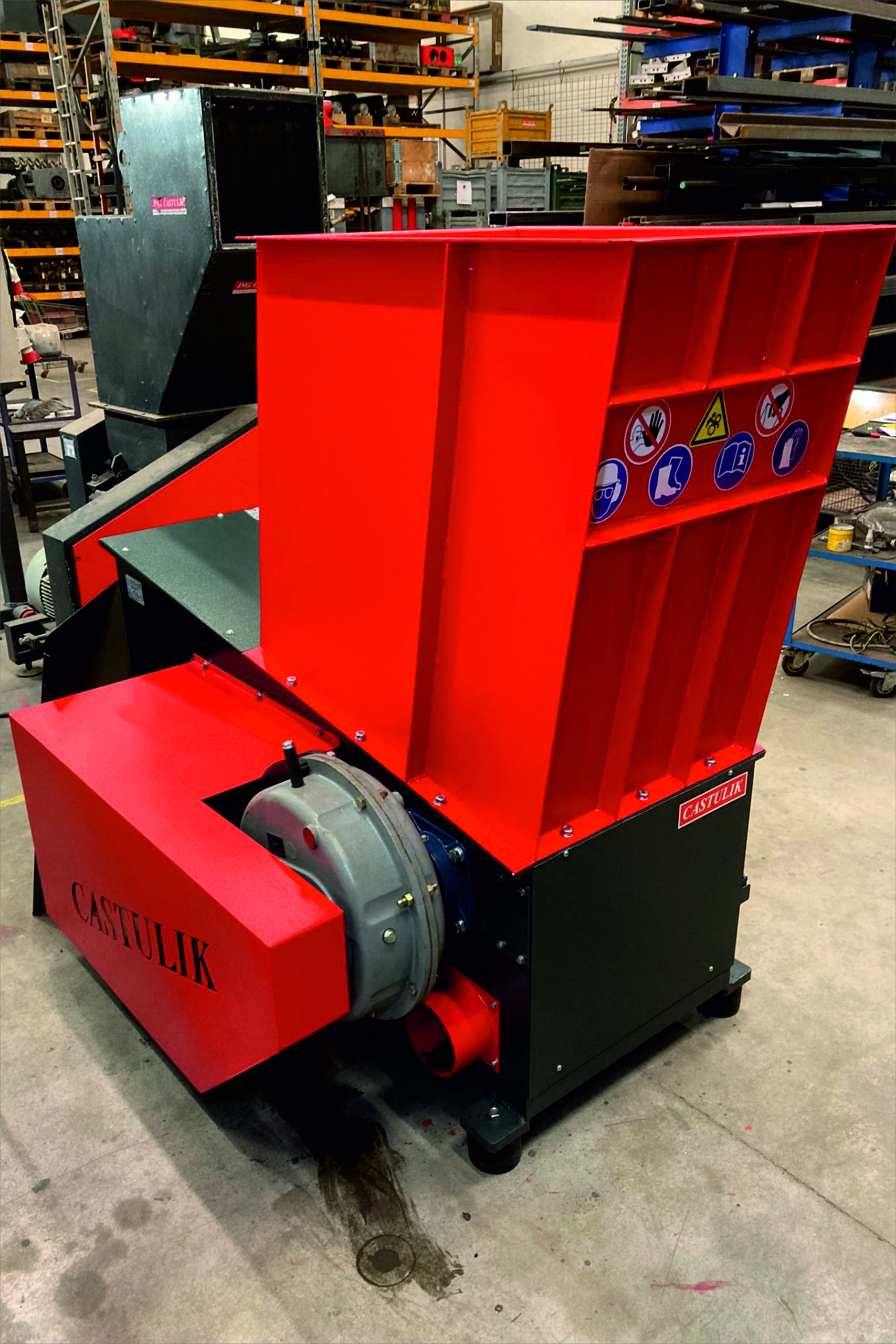
Machines for shredding cardboard before pelletising
Nothing Found
What is the result of shredding paper and cardboard?
Shredding can produce anything from coarse, irregular pieces to finer material with a defined maximum particle size. The required output depends primarily on how the material will be processed afterwards.
Coarsely shredded material
Slow-speed coarse shredding produces irregular pieces of paper and cardboard. The typical particle size may be approximately 50-100 mm, depending on the shredder design and the cutting system.
The resulting material can be baled, mixed with other recovered paper or prepared for pulping. Under certain conditions, it can also be used for briquetting.
Shredded material with a defined maximum particle size of 12 mm
A shredder equipped with a sizing screen allows the maximum output particle size to be controlled.
The material is suitable for applications where the downstream process requires a defined input particle size.
Finely shredded material with a particle size below 2 mm
For briquetting, pelletising or other applications, paper and cardboard may need to be processed into a considerably finer fraction.
In such cases, fine shredding or a multi-stage process can be used, where the material is first pre-shredded and then processed in another shredder or granulator.
Securely shredded material (various particle sizes)
For secure destruction, the key parameter is the required level of destruction of the document, packaging or valuable item.
The output particle size is therefore selected according to the specific application and the extent to which the original material must be rendered unreadable and unusable.
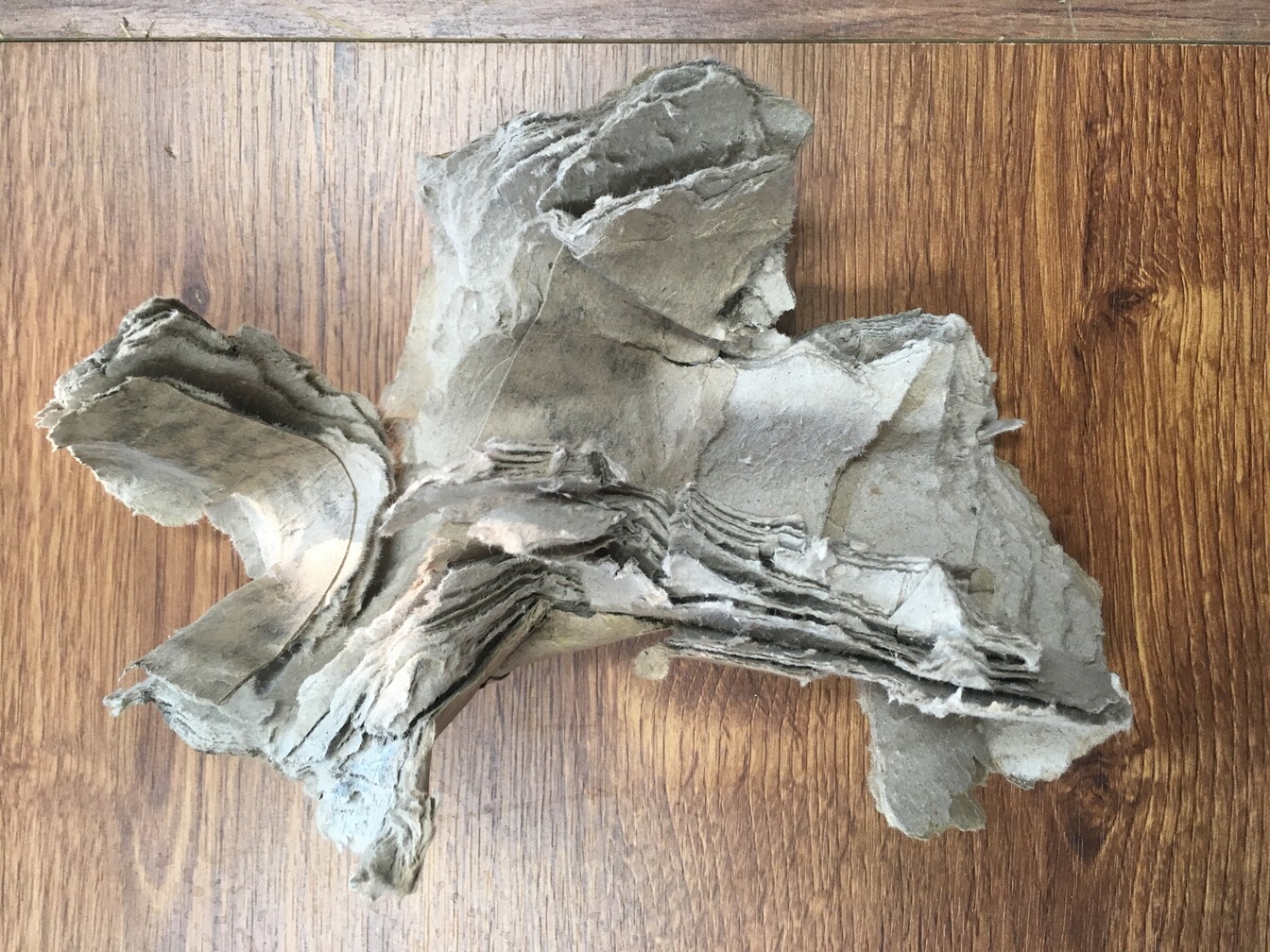
Paper core | DX240 twin-shaft shredder with 36/3 cutting tools
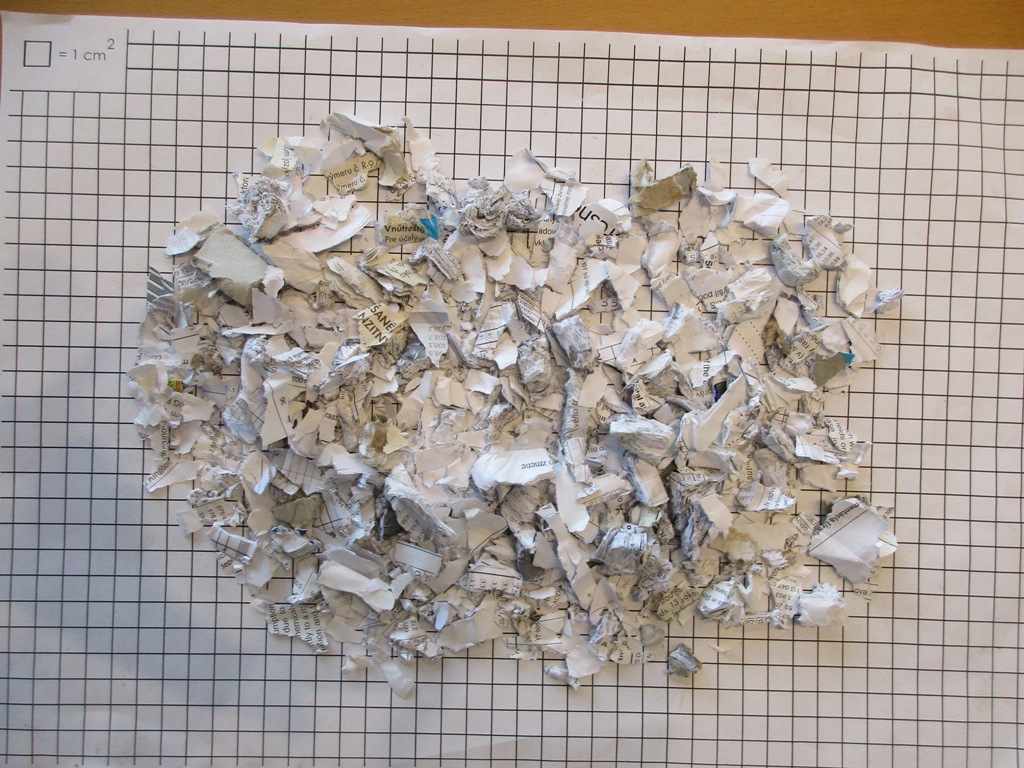
Paper | ARIES160 four-shaft shredder with 9/11 cutting tools
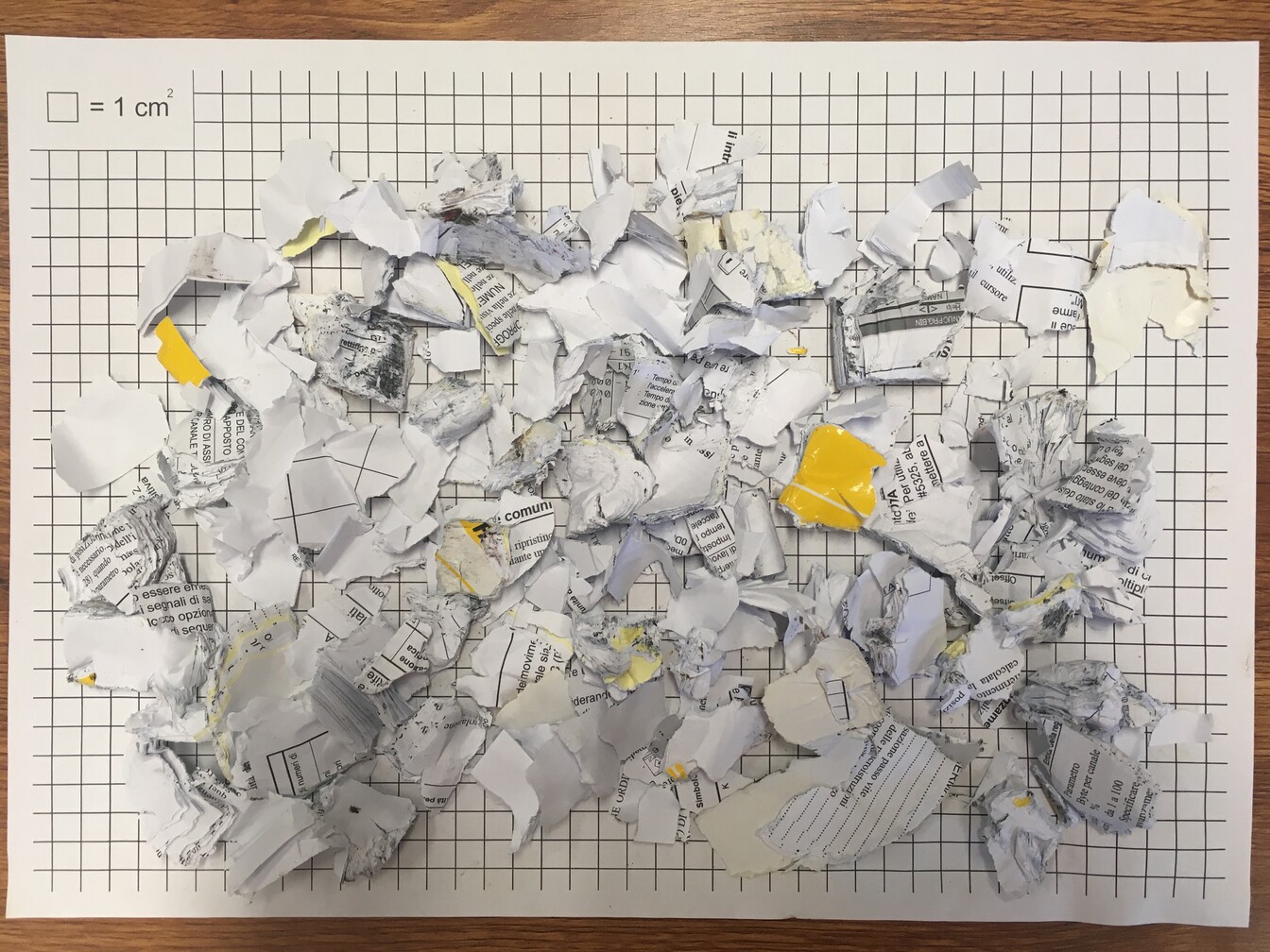
Paper brochure | DR120 twin-shaft shredder with 29/3 cutting tools
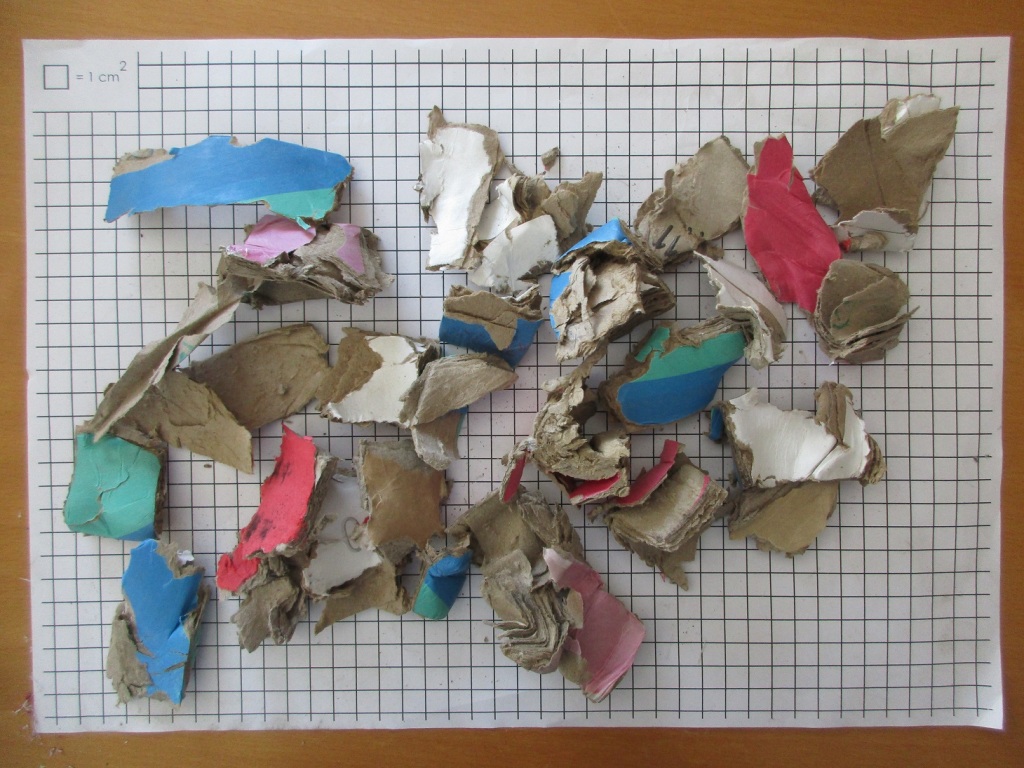
Paper core | DR160 twin-shaft shredder with 36/5 cutting tools
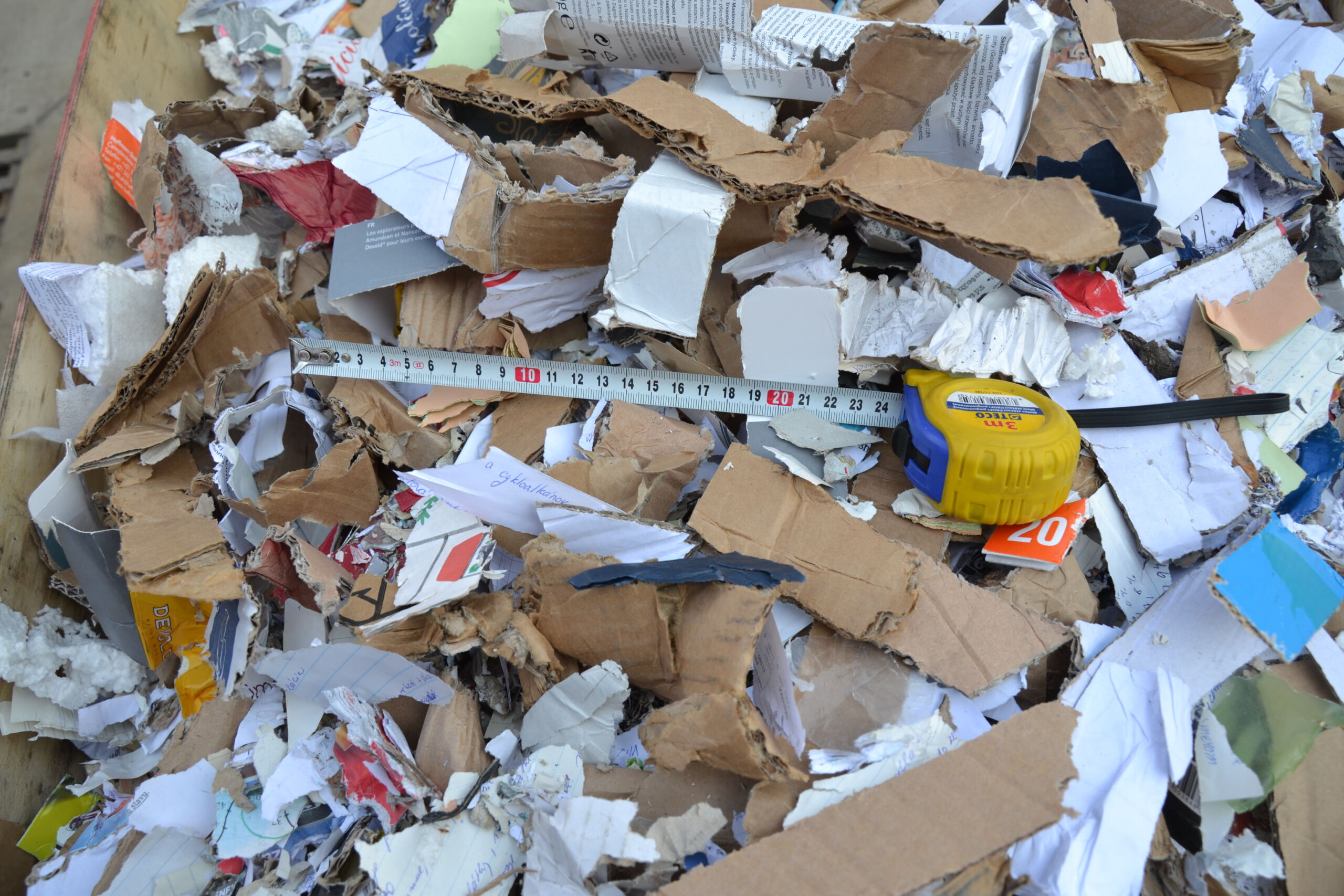
Cardboard and paper | DR240 twin-shaft shredder with 36/5 cutting tools
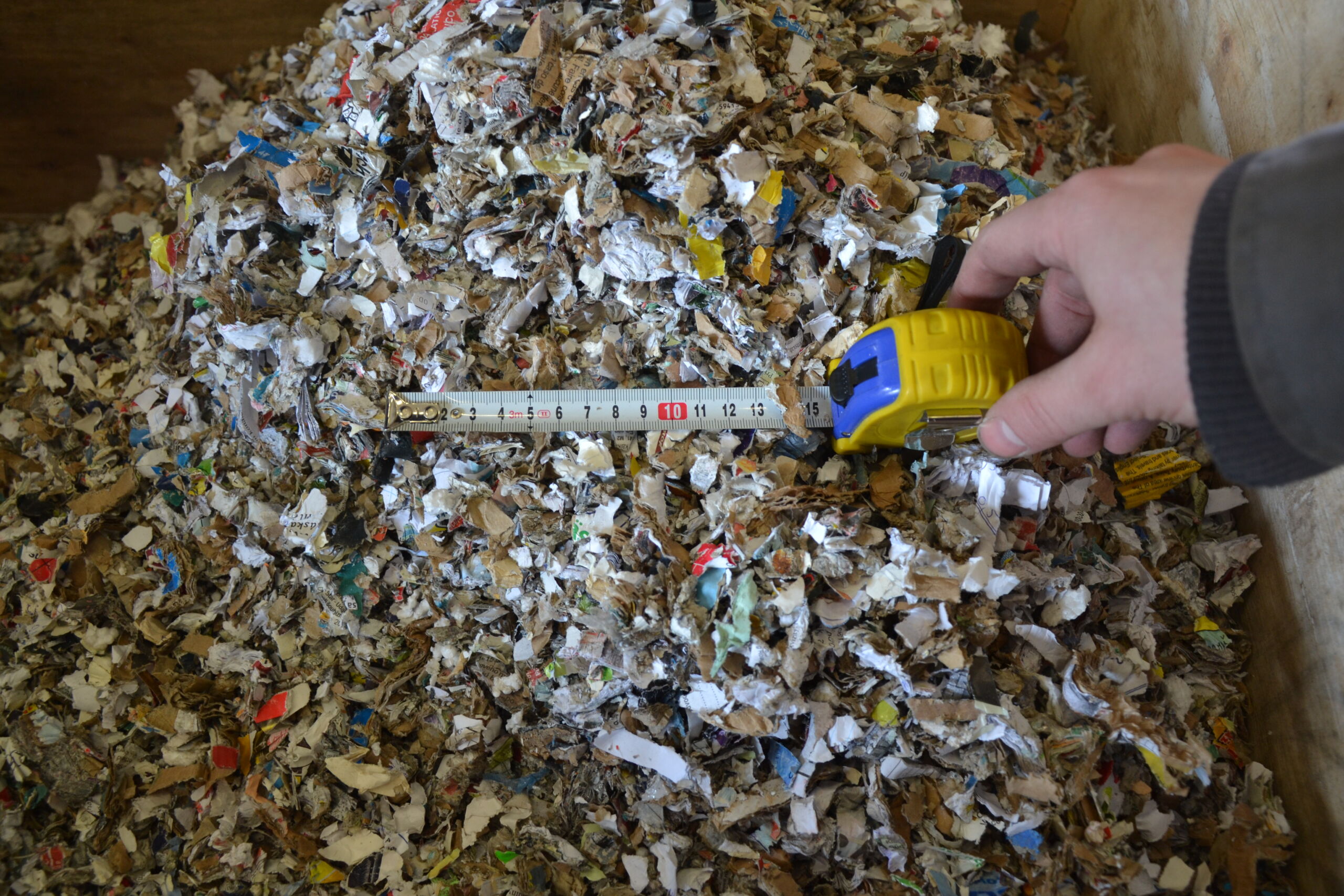
Cardboard and paper | DR120 twin-shaft shredder with 9/11 cutting tools
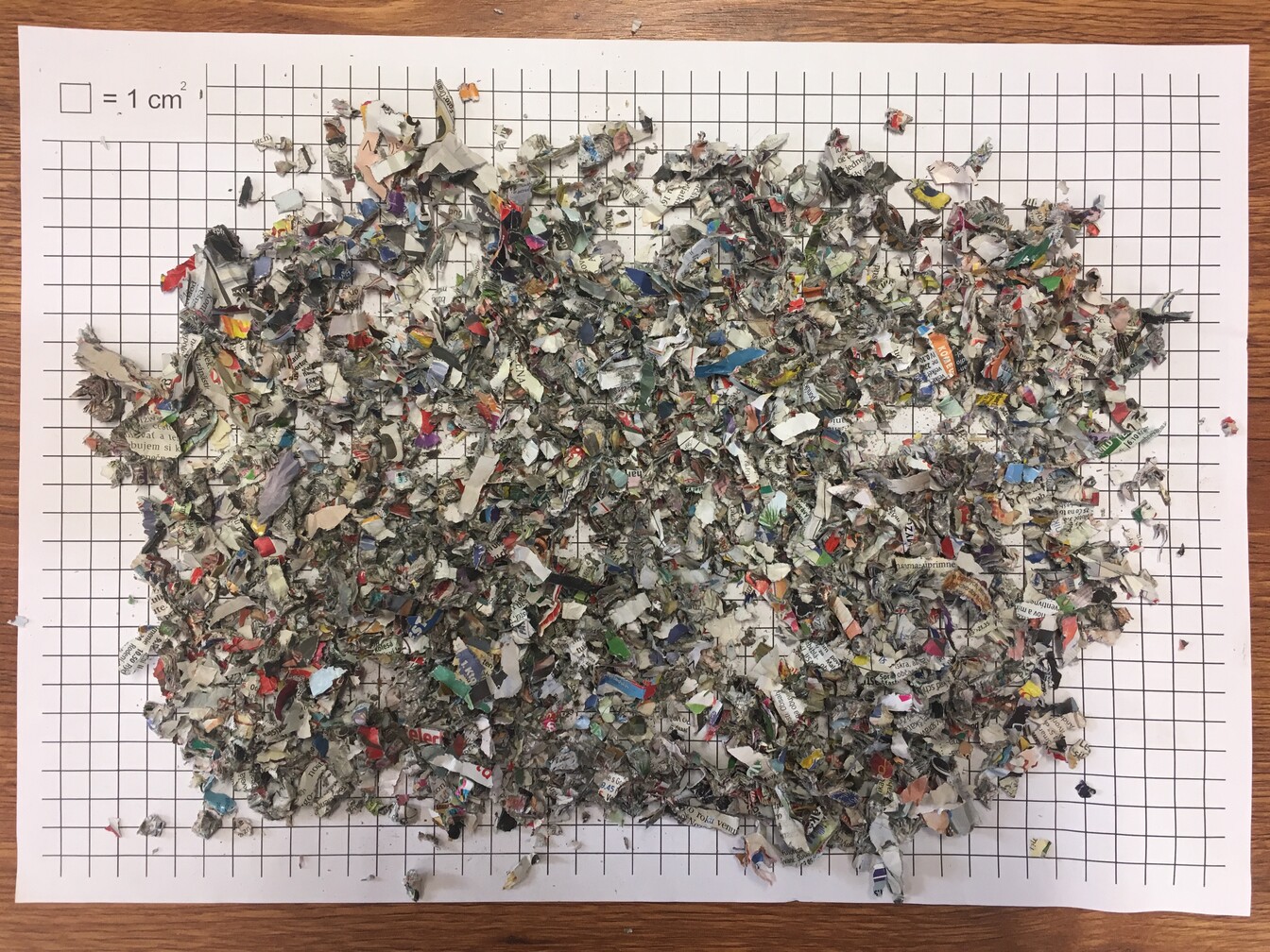
Paper documents | LUPUS_492 four-shaft shredder with 5/11 cutting tools

VIDEOSHOWROOM
FAQ – frequently asked questions about paper and cardboard shredding
What type of shredder is suitable for paper and cardboard?
The appropriate shredder depends on the type and dimensions of the material, required output particle size, quantity of waste and feeding method. Slow-speed twin-shaft shredders can be used for coarse shredding. Where a defined output particle size is required, shredders equipped with sizing screens or multi-stage shredding systems can be used.
Can whole cardboard boxes be shredded?
Yes. Whole cardboard boxes can be shredded without manually dismantling or flattening them beforehand. When selecting a shredder, the dimensions and design of the boxes, quantity of material and, most importantly, the feeding method must be considered.
Can paper and cardboard cores be shredded?
Yes. Paper cores can be coarsely shredded and subsequently processed together with other paper waste. Reducing their size makes subsequent processes such as baling or pulping during paper recycling easier.
What is the output particle size after shredding paper and cardboard?
The output particle size depends on the shredder used and the intended downstream process. Coarse shredding can produce material approximately 50-100 mm in size. Where a smaller, more precisely defined particle size is required, a shredder with a sizing screen or a multi-stage shredding system can be used.
How is the required paper shredder capacity determined?
Knowing the required throughput in kilograms per hour is not enough. Paper and cardboard have a low bulk density, so the volume of material and feeding method also have a significant influence on the required shredder size. A different machine may be needed for manually feeding individual pieces compared with tipping an entire container into the shredder or loading it using a grab.
Can paper be shredded before briquetting or pelletising?
Yes. Paper and cardboard waste must be reduced to a suitable size and form before briquetting or pelletising. Depending on the input material and required particle size, single-stage or multi-stage shredding may be necessary.
Can a shredder be used for the secure destruction of documents and valuable documents?
Yes. Industrial shredders can be used to destroy documents, price lists, forms, vouchers, and other valuable documents. CASTULIK shredders are already used for such applications. The required level of destruction influences the choice of shredder and output particle size.
Does paper shredding generate a lot of dust?
The amount of dust generated depends on the material and shredding technology. One advantage of slow-speed coarse shredding is its low dust generation. Compared with fine, high-speed shredding, it can achieve high throughput while producing relatively low dust emissions.
Can a shredder be integrated directly into a production line?
Yes. A shredder can operate as a standalone machine or be integrated directly into the production process. Paper and cardboard offcuts or rejected products can be fed continuously into the shredder, for example, using a conveyor.
What information do you need to recommend a suitable shredder?
To design the right solution, we need to know the type of material, its dimensions and form, the quantity of waste, required throughput, feeding method and desired output particle size. It is also important to understand what will happen to the material after shredding. Photographs or a video of the actual material will help us assess the application accurately.
We will design a shredder for your paper and cardboard waste
Every application is different. Selecting the right shredder depends not only on the quantity of waste but also on its dimensions and form, the feeding method and the required result.
Send us photographs or a video of the material you need to process. Include its approximate quantity, dimensions, how you intend to feed it into the shredder and what needs to happen to it afterwards.
Based on this information, we will recommend a suitable shredder type and size. For non-standard materials, we can carry out shredding trials using the actual material and evaluate the results before designing the final processing solution.
Need to shred paper or cardboard? Send us your material for assessment.
