
Czech Railways Cargo plc is the largest Czech rail freight carrier, established in 2007 as a subsidiary of Czech Railways plc. The company provides a wide range of services – from the transport of raw materials and goods, through wagon rental and logistics, to the maintenance and repair of rail vehicles. At its repair centres – including the facility in České Budějovice – it also carries out maintenance and repairs of railway sets for external customers.


Challenge: Wheel‑repair turnings = high waste volume + logistical burden
During locomotive wheel repairs (steel grades B1–B6T according to the standard), machining turnings are produced. These turnings can have a cross-section of up to 1 × 20 mm and a length of up to 2 m. In the case of repairs at the Czech Railways Cargo facility in České Budějovice, approximately 9 tons of such turnings is generated annually.
The storage of untreated turnings required significant warehouse space, handling, and frequent removal – logistically and financially inefficient. Unprocessed turnings have an average density of only about 10 kg/m³.
Solution: shredding and increasing density → efficiency and savings
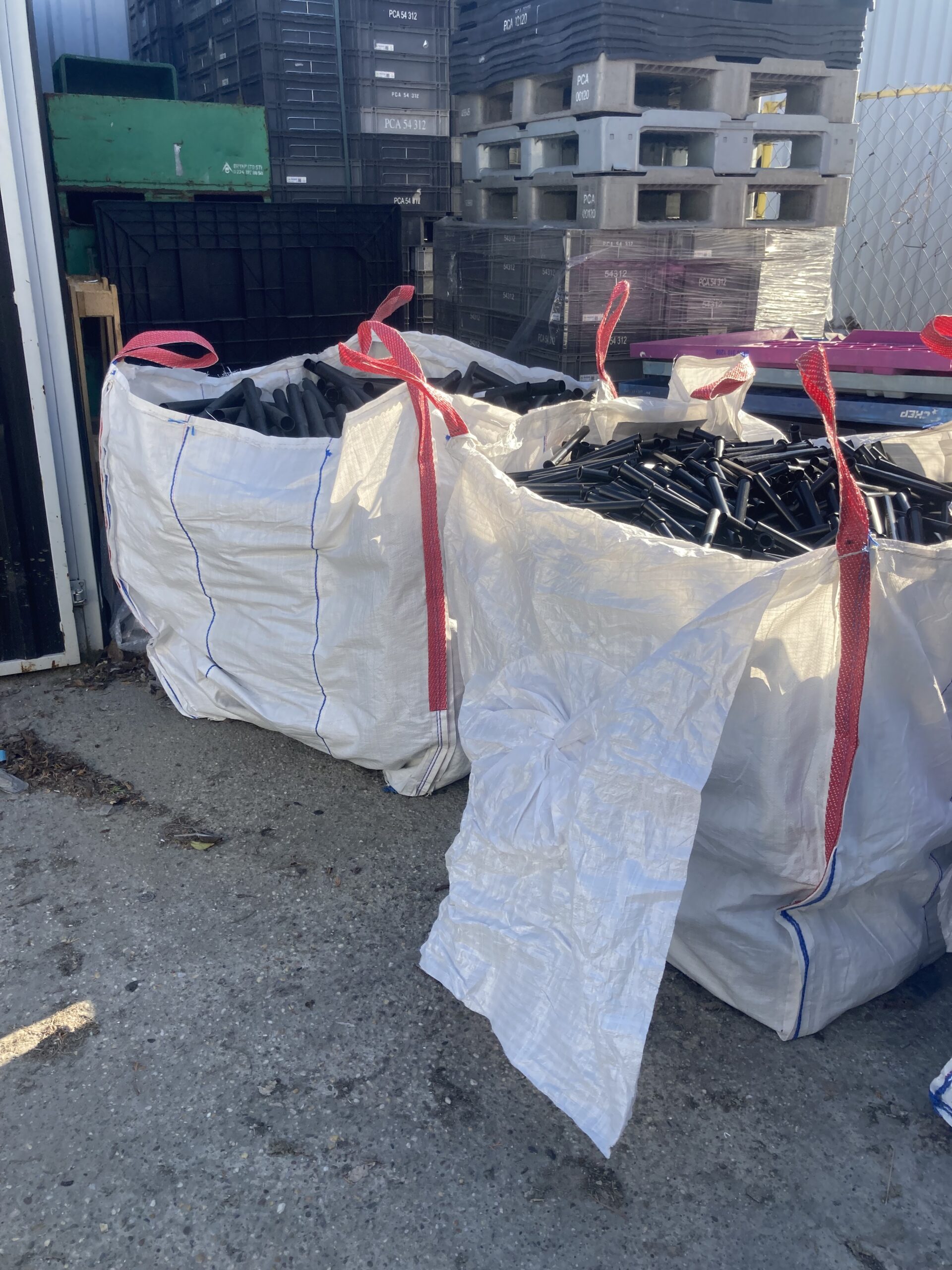
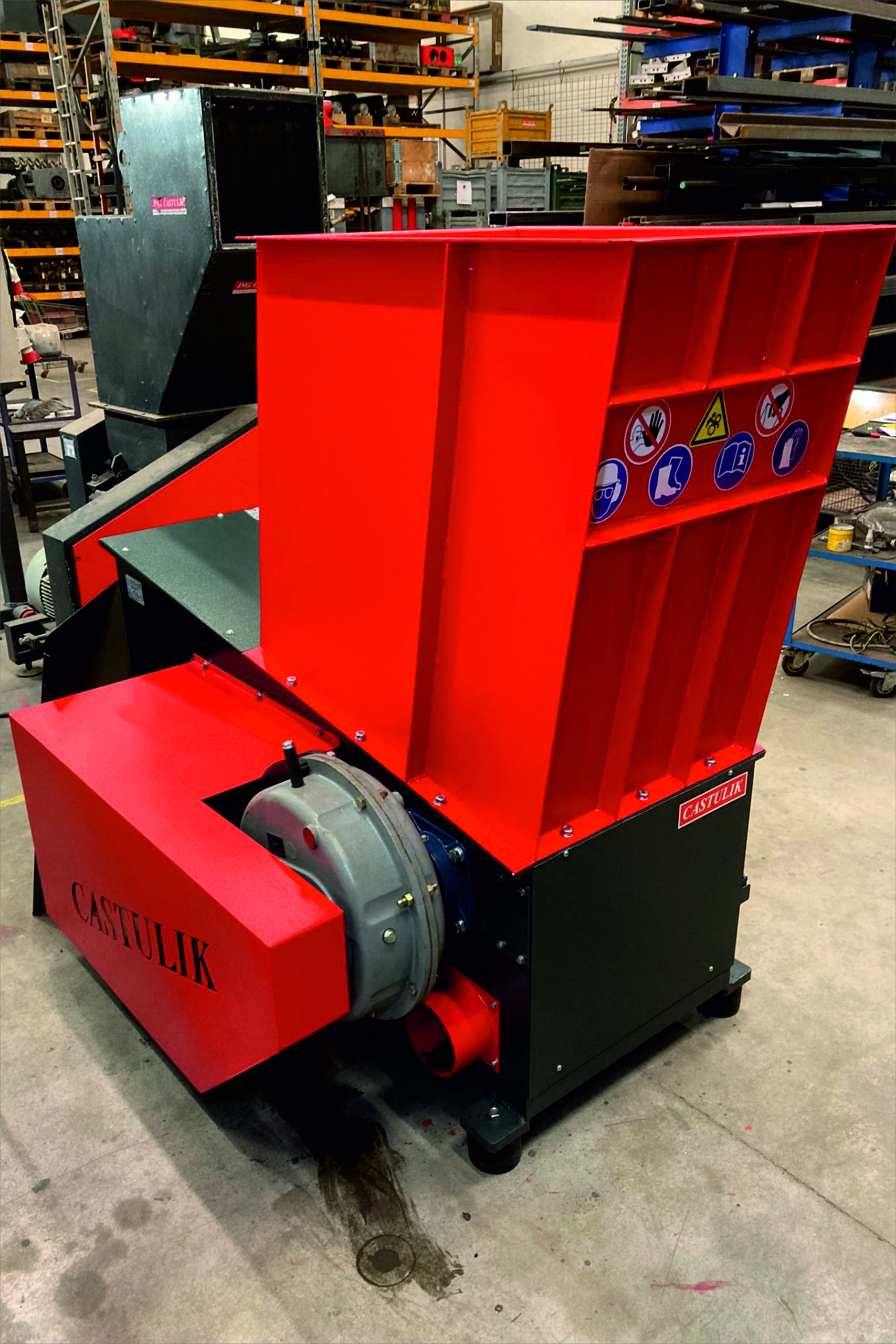
The company decided to invest in a CASTULIK DR120/600_18,5kW shredder model DR120-0-0-0397 (a high-performance metal waste shredder). At the end of the work shift, the operator simply loads the turnings into the shredder hopper using carts or forks. After shredding, the turnings are placed into metal pallets, from which they are then regularly transported for recycling.
With this step, the company achieved:
- significant reduction in volume – from the original 10 kg/m³ to approx. 100 kg/m³ after shredding,
- freed up storage space – equivalent to the size of a hangar,
- dramatic cost savings – reduced expenses for removal and handling of metal waste,
- improved waste preparation – more efficient processing of waste for recycling and reprocessing.
Why it matters to the recycling sector as well
- This case shows that even regular maintenance of railway vehicles – a process not directly linked to the production of metal components – can generate a significant amount of metal waste.
- Thanks to suitable technology (a shredder), waste can be converted into valuable high‑density recyclate, reducing both costs and the demands of storage and transport.
- This is a practical example of the circular economy in action – after repair, the metal fully re‑enters the recycling chain.
Conclusion – metal recycling as a responsible and efficient approach
The example of Czech Railways Cargo clearly illustrates that companies generating metal waste – whether from production, maintenance, or repairs – can achieve significant savings and improve efficiency by integrating recycling technologies into their processes. Not only do they help the environment, but they also enhance their economic performance.
For us at CASTULIK, this case study is particularly inspiring — it confirms that investing in shredding technology (such as our machines) makes sense not only for production, but also for the servicing and maintenance of railway or other industrial equipment.