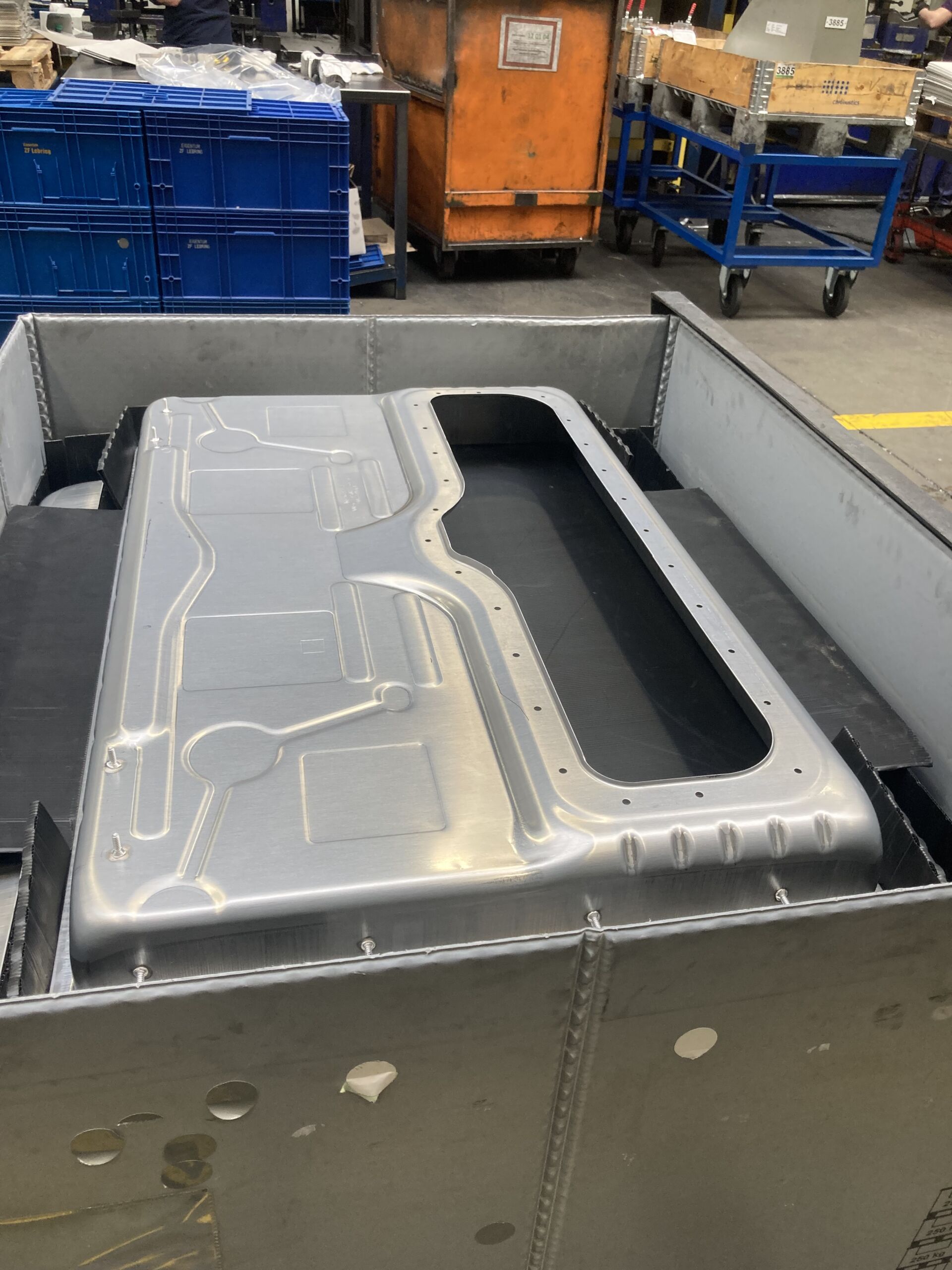
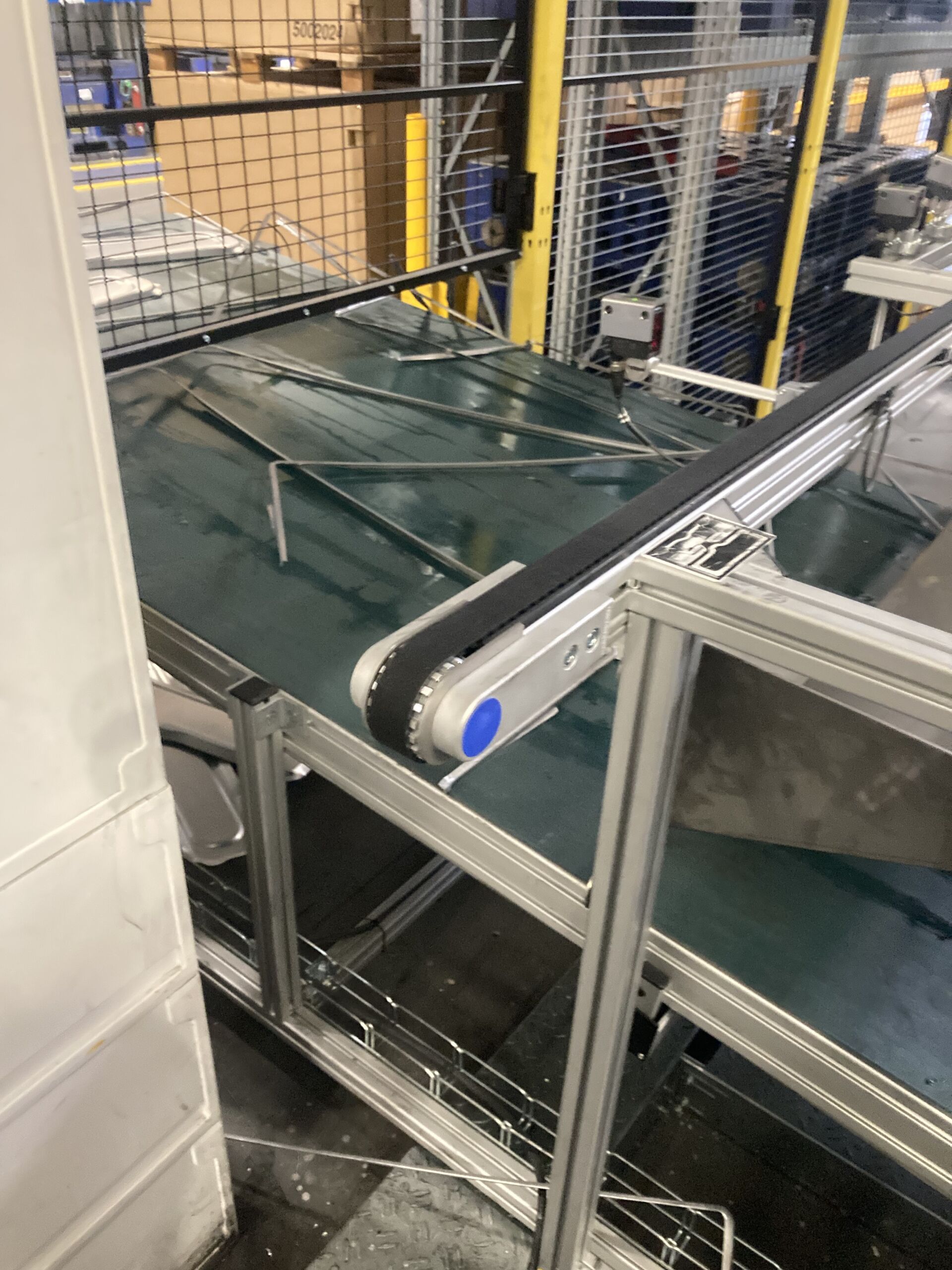
Aluminium offcuts
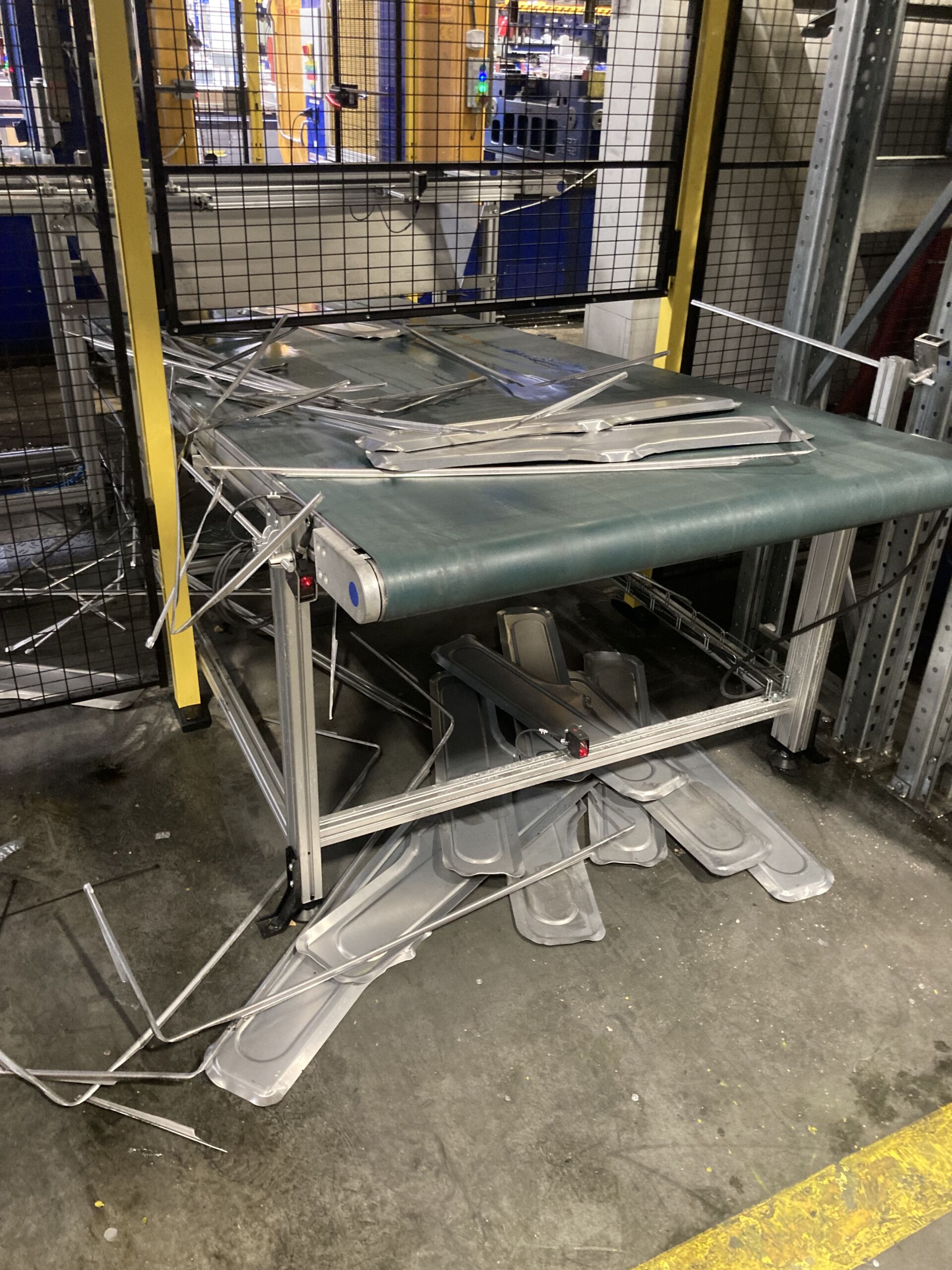
Aluminium offcuts

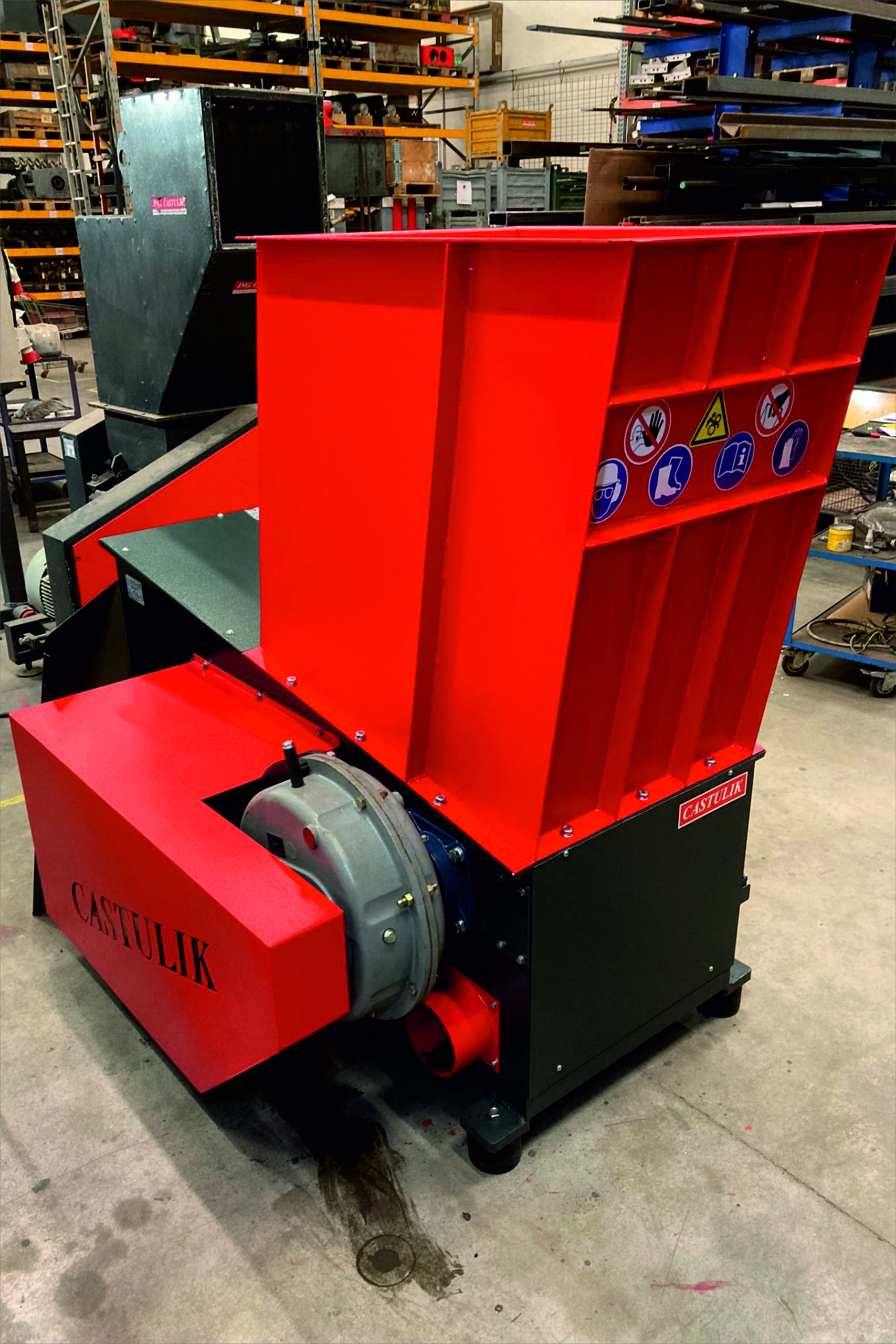
Shredding trial: CASTULIK twin-shaft shredder
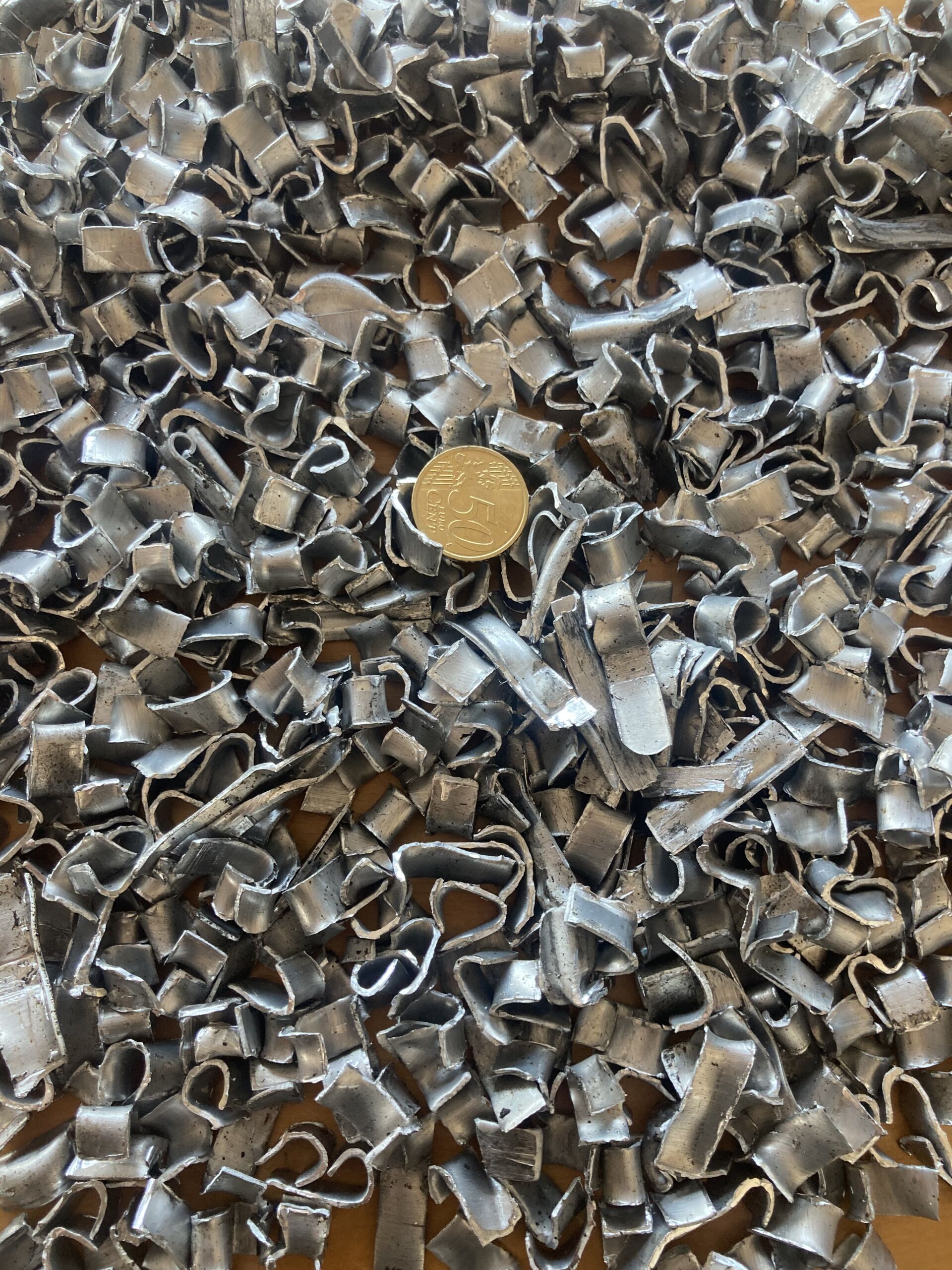
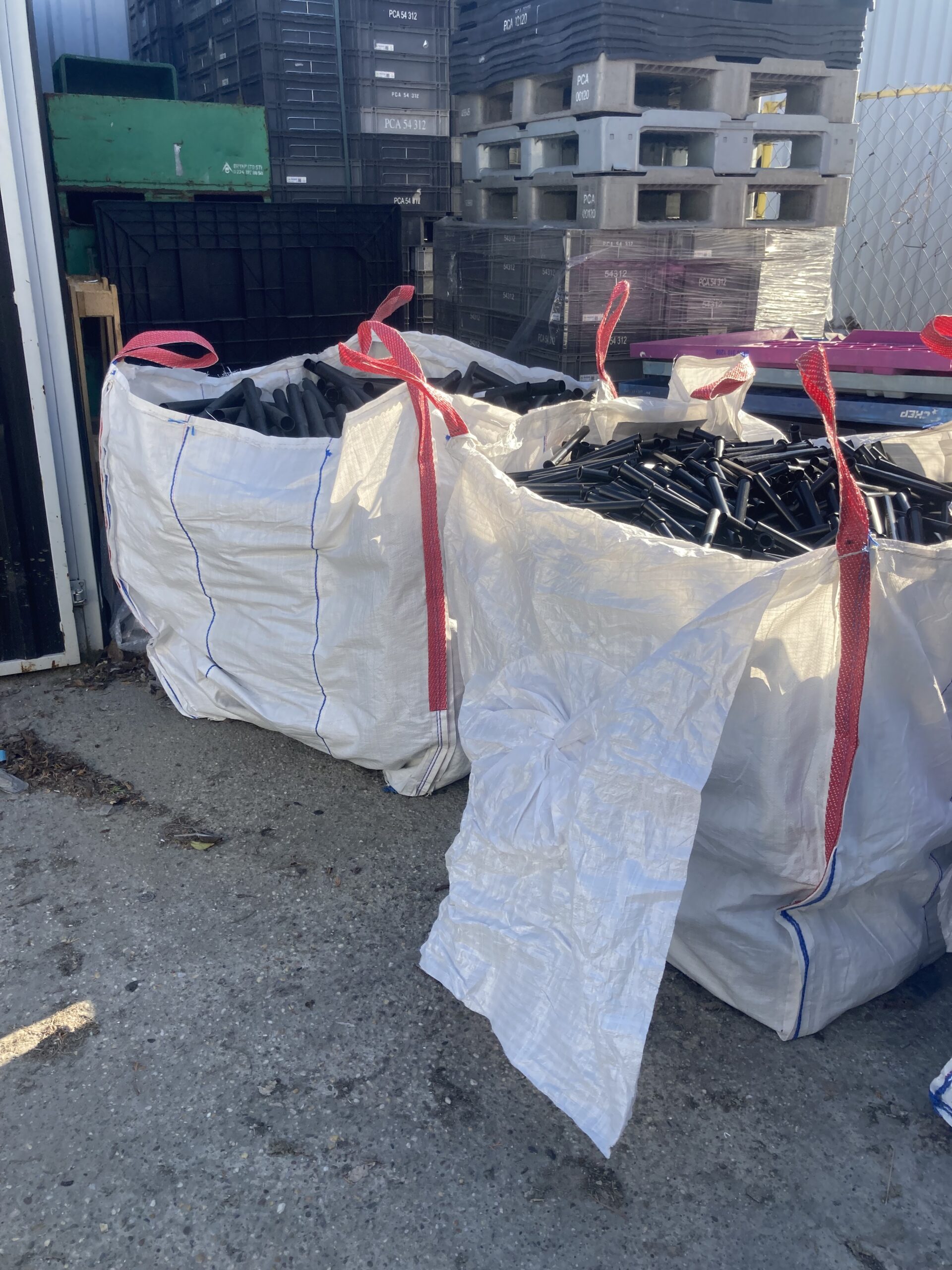
Resulting material: short, compact fragments with a bulk density of approximately 590 kg/m³.
Aluminium stamping offcuts often have a very low bulk density. Long strips tend to become entangled inside containers, creating large voids and making storage and transport inefficient. During a shredding trial, we evaluated how the material changed after processing in a twin-shaft shredder. The result was short, compact fragments with a bulk density of approximately 590 kg/m³.
Bulky aluminium waste
Stamping and trimming aluminium components generates offcuts of various shapes and sizes. In this particular case, the waste consisted primarily of long aluminium strips.
After exiting the production line, the material was discharged onto a conveyor belt and then collected for further handling.
The shape of the offcuts caused the individual pieces to twist and interlock, creating a large number of voids within the material. As a result, the container reached its volumetric capacity long before its payload capacity was fully utilised.
When it comes to handling metal waste, weight is not the only factor that matters. Another key parameter is the material’s bulk density.
The lower the bulk density, the greater the volume required to store the same amount of metal.
Why the shape of aluminium offcuts matters for logistics
Long aluminium strips do not pack efficiently inside a container. Their geometry prevents natural compaction, resulting in a low bulk density.
In practice, this can result in:
- containers reaching capacity more quickly,
- more frequent container replacements and waste collections,
- higher internal material handling costs,
- more frequent operator intervention in the waste collection process,
- inconsistent flow of material.
Simply using a larger container does not change the properties of the material. As long as the offcuts remain long and become entangled, the material will continue to have a low bulk density.
One way to address this issue is to modify the geometry of the offcuts through shredding.
Application study: shredding of aluminium offcuts
We processed the material sample at our testing facility using a CASTULIK twin-shaft shredder.
The purpose of the trial was to evaluate:
- the behaviour of long aluminium offcuts inside the shredding chamber,
- the shredder’s ability to grip and process individual strips,
- the characteristics of the output material,
- the change in the material’s bulk density and volume after shredding.
The twin-shaft shredder gripped the long strips between its cutting tools and progressively shredded them into shorter fragments.
The photograph from the trial shows a long aluminium offcut being fed directly into the shredding chamber of the twin-shaft shredder. The following photograph shows the output material, consisting of short, irregular fragments.
Shredding result: bulk density of approximately 590 kg/m³.
Shredding produced short, compact aluminium fragments.
The measured bulk density of the output material was approximately:
590 kg/m³
The change in the material’s geometry allowed the individual fragments to pack much more efficiently.
The long, interlocked strips were transformed into short fragments that leave significantly less void space between them.
The result is a material that is better suited for collection, handling and transport.
Metal waste shredding as part of production logistics
When designing a system for processing aluminium offcuts, it is not enough to evaluate the shredder solely by its throughput in kilograms per hour.
It is essential to evaluate the entire material flow, including:
Press → Conveyor → Shredder → Discharge Conveyor → Container → Material Transport
Key input parameters include the amount of waste generated, the size and geometry of the offcuts, the material feeding method, the required output size, and the capacity of the containers used.
For each application, it is recommended to carry out a trial using the actual material.
Aluminium offcut shredding trials
At CASTULIK, we carry out application shredding trials for metal waste and production scrap.
During the trial, we evaluate the material’s behaviour inside the shredding chamber, how it is gripped by the cutting tools, and the characteristics of the resulting material.
Based on the trial results, we can recommend the optimum shredder configuration and its integration into the existing material handling system.
If your production process generates bulky aluminium offcuts, send us a material sample. We will evaluate its behaviour during shredding and assess the characteristics of the resulting material.