Articles and case studies
See specific examples of our work. In this section you will find real projects we have carried out for our customers – from solving technical challenges to deploying bespoke machines. We show how our machines and technologies help to optimise processes, save resources and bring workable solutions into practice.

How much plastic does a passenger car contain, and why is it so difficult to recycle?
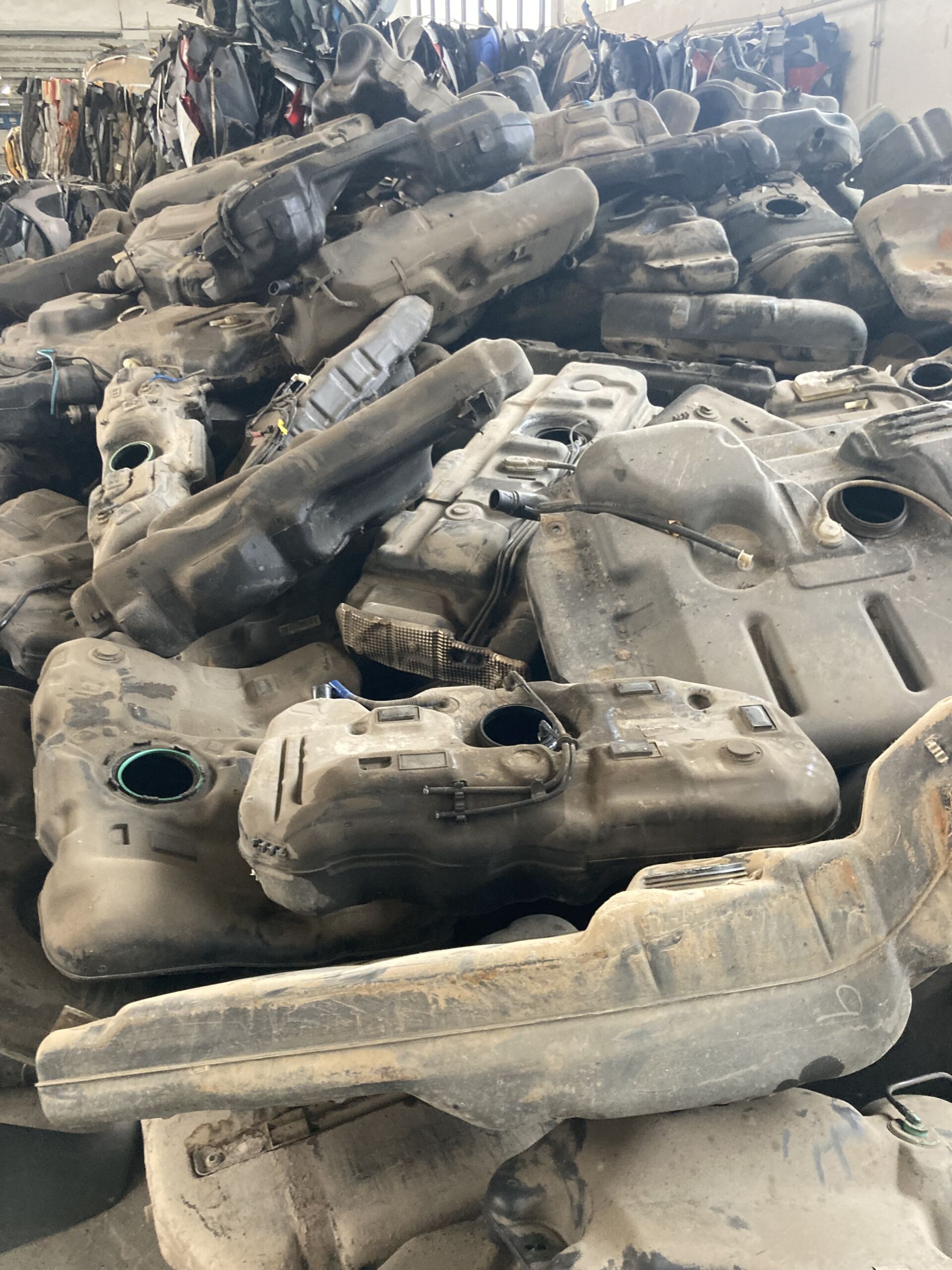
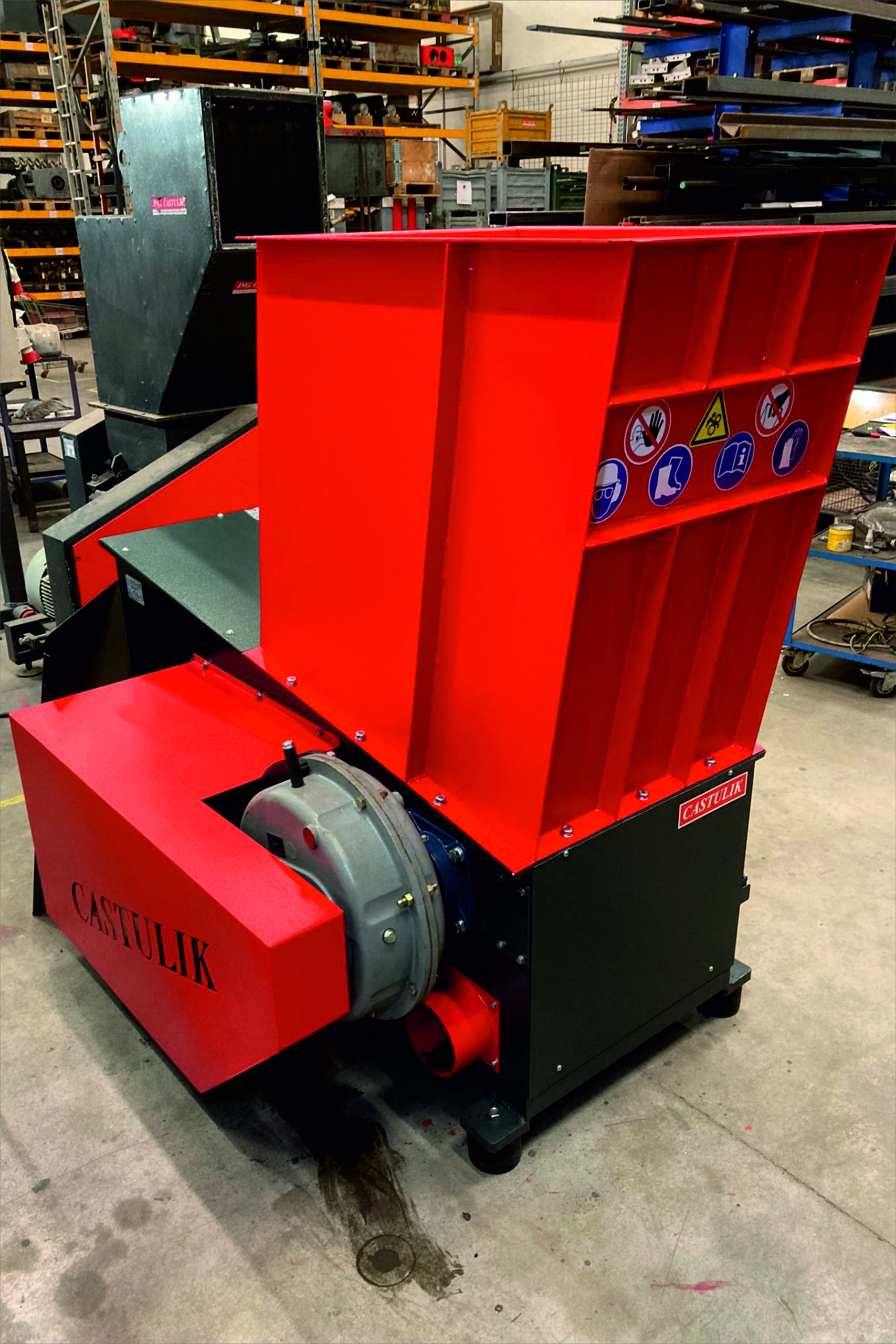
A modern passenger car can contain up to 300 kilograms of plastic. Recycling these materials, however, is not easy. Different types of plastics are often combined with metal components and may need to be transported over considerable distances for further processing. This is why shredding plays an important role in reducing logistics costs and improving recycling efficiency. In a CASTULIK application trial, the DX160 twin-shaft shredder successfully processed one of the more challenging plastic components found in a vehicle – a plastic fuel tank.

Crushing the costs of hazardous waste handling
Company DETOX has long been one of the most reliable providers of hazardous waste collection and processing services in Slovakia. In 2023, the company expanded its Trnava facility with a twin-shaft shredder DX160/600 (18.5 kW) – their third CASTULIK shredder purchased since 2003.

Metal turnings shredding as a part of Czech Railways Cargo’s sustainable operations.
During locomotive wheel repairs at the Czech Railways Cargo workshop in České Budějovice, long steel turnings were produced in large volumes, filling entire storage areas and driving up the cost of transport for recycling. With the introduction of the DR120/600 shredder, the turnings density increased ten times, allowing the company to free up hangar‑sized space and significantly reduce logistics costs.


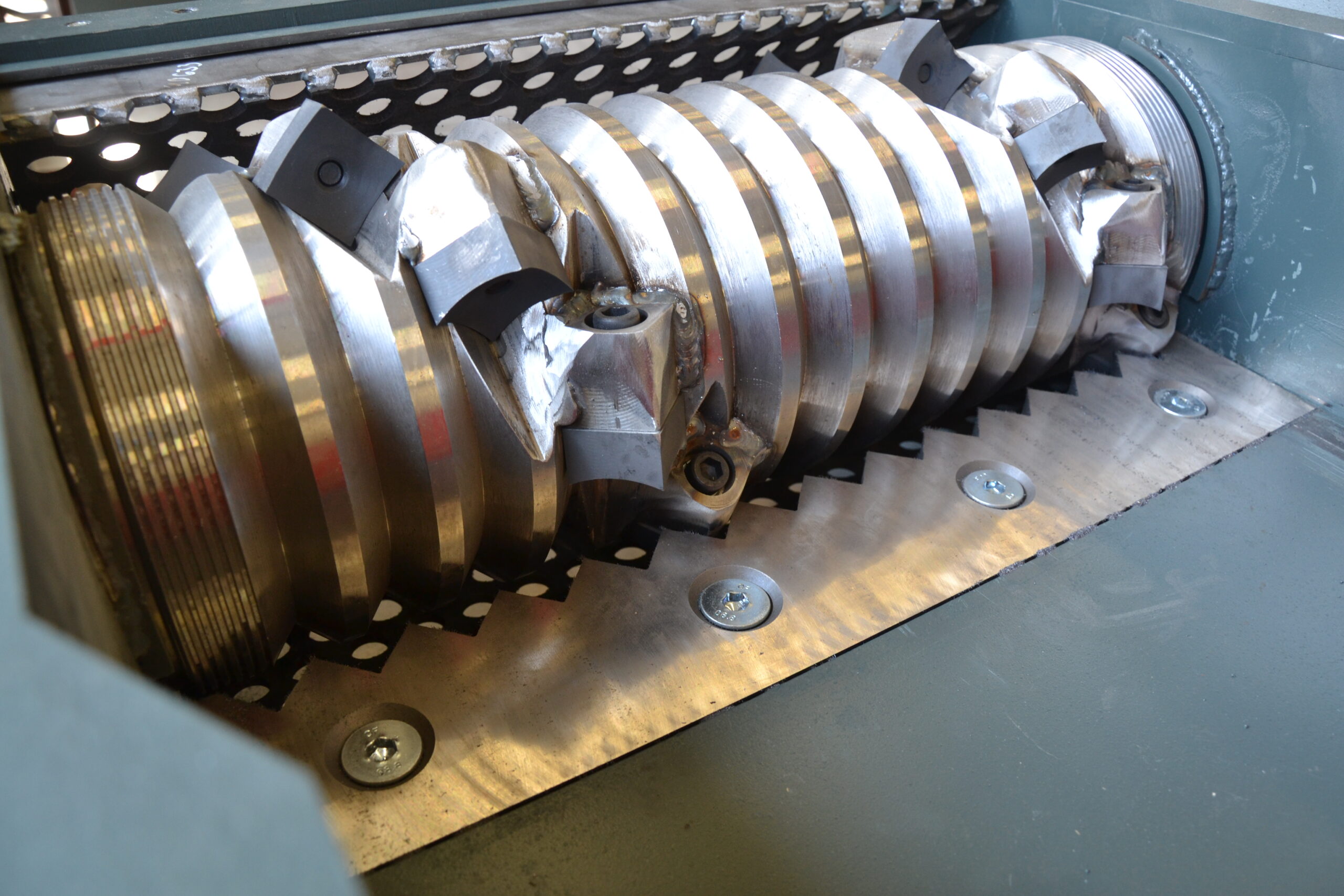
Knife mill as a wood shredder.
Knife mills offer a precise and energy‑efficient alternative to traditional single‑shaft wood shredders. Thanks to their small shear gap, high rotor speed, and close proximity of the knives to the screens, they produce fine, homogeneous shred with a low dust content. In contrast, single‑shaft shredders excel in robustness and resistance to metal contaminants, but they achieve poorer results when processing fine fractions, wet wood, or fibrous materials. The choice of technology therefore depends on the type of wood, the required particle size, material cleanliness, and performance demands. The optimal solution is best confirmed by practical testing of your specific material on both types of machines.


How the CASTULIK DX160 shredder supports the recycling of grave candles.
Thanks to the CASTULIK DX160 shredder and a mechanical‑thermal processing technology, the company REPARAF from Zohor (Slovakia) transforms hundreds of tonnes of waste into recycled paraffin and alternative fuel.